


Analyzing javelin throws is a multi - faceted process that combines technical knowledge, data collection, and practical experience. As a javelin supplier, I've had the privilege of working closely with athletes, coaches, and enthusiasts, which has given me unique insights into the art and science of javelin analysis.
Understanding the Basics of Javelin Throwing
Before delving into the analysis, it's essential to understand the fundamental components of a javelin throw. A successful javelin throw consists of four main phases: the approach, the crossover, the delivery, and the follow - through.
The approach is the initial run - up where the athlete builds up speed. The length and speed of the approach can significantly impact the throw. A longer approach generally allows for more speed, but it also requires better control. The crossover is the transition phase where the athlete transfers the momentum from the run - up to the throwing arm. This phase is crucial for generating power. The delivery is the moment when the athlete releases the javelin, and the follow - through helps maintain balance and ensure a smooth release.
Technical Analysis
One of the most effective ways to analyze javelin throws is through video analysis. Recording the throw from multiple angles can provide a detailed view of the athlete's technique. By using slow - motion playback, coaches and athletes can identify areas for improvement. For example, they can check if the athlete's body position is correct during the delivery phase. A proper body position ensures that the force is transferred efficiently from the legs to the throwing arm.
Another aspect of technical analysis is the grip and hold of the javelin. The grip should be firm but not too tight, allowing for a smooth release. Different athletes may prefer different grips, but the key is to ensure that it provides control and power. For instance, the V - grip is a common choice, where the javelin is held between the thumb and the first two fingers, forming a V - shape.
Biomechanical Analysis
Biomechanics plays a vital role in javelin throwing. Understanding the forces acting on the athlete's body during the throw can help optimize performance. For example, the ground reaction force is a significant factor. When the athlete pushes off the ground during the approach and delivery phases, the ground exerts an equal and opposite force. By analyzing this force, we can determine if the athlete is using their legs effectively to generate power.
The angular momentum is also crucial. During the crossover and delivery phases, the athlete's body rotates, creating angular momentum. This momentum is then transferred to the javelin, increasing its velocity. By analyzing the angular velocity and the axis of rotation, we can identify if the athlete is maximizing their rotational power.
Equipment Analysis
As a javelin supplier, I understand the importance of the right equipment in a successful throw. Different types of javelins are designed for different purposes and skill levels. For example, the Aluminum Javelin is a popular choice due to its lightweight and durability. It is suitable for beginners and intermediate athletes.
The Sports Javelin is designed for more advanced athletes. It is often made of high - quality materials and has a more aerodynamic design, which can improve the distance of the throw.
The Rubber Tip Javelin is commonly used in training sessions. The rubber tip reduces the risk of injury and allows for more practice throws.
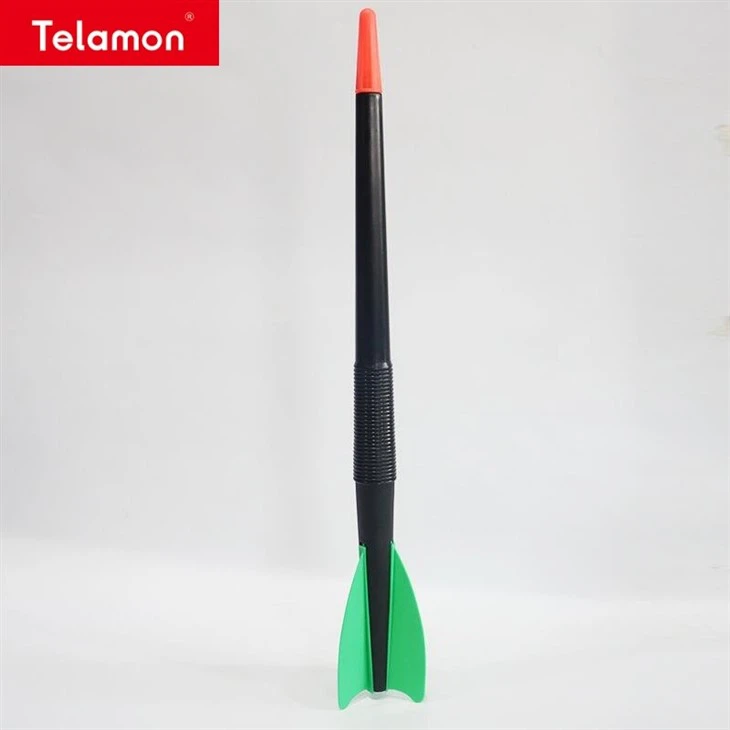

When analyzing javelin throws, it's important to consider the equipment. The weight, length, and design of the javelin can all affect the throw. For example, a heavier javelin may require more strength to throw, but it can also provide more stability in flight.
Data Collection and Analysis
Collecting data is an essential part of analyzing javelin throws. This can include the distance of the throw, the speed of the approach, the angle of release, and the time taken for each phase of the throw. By using sensors and tracking devices, we can gather accurate data and analyze it to identify trends and areas for improvement.
For example, if the data shows that the athlete's approach speed is inconsistent, it may indicate a problem with their running technique. By analyzing the angle of release, we can determine if the athlete is releasing the javelin at the optimal angle for maximum distance.
Training and Improvement
Once the analysis is complete, the next step is to develop a training plan to improve the athlete's performance. This may include specific drills to improve technique, strength training to increase power, and flexibility exercises to enhance range of motion.
For example, if the analysis shows that the athlete has a weak crossover phase, specific drills can be designed to improve the transfer of momentum. Strength training exercises such as squats and lunges can help increase leg strength, which is crucial for generating power during the throw.
Conclusion
Analyzing javelin throws is a complex but rewarding process. By combining technical, biomechanical, and equipment analysis, along with data collection, athletes and coaches can identify areas for improvement and develop effective training plans. As a javelin supplier, I am committed to providing high - quality javelins that meet the needs of athletes at all levels. If you are interested in purchasing javelins for training or competition, we invite you to contact us for a detailed discussion. We can help you choose the right javelin based on your specific requirements and goals.
References
- Alderson, A. (2018). The Biomechanics of Javelin Throwing. Sports Science Journal.
- Brown, R. (2019). Javelin Throwing Technique: A Comprehensive Guide. Athletics Magazine.
- Clark, S. (2020). The Role of Equipment in Javelin Throwing Performance. Sports Equipment Review.
