


Choosing the right javelin is a crucial decision for athletes, coaches, and sports enthusiasts alike. As a javelin supplier, I understand the importance of this choice and the factors that come into play. In this blog post, I will guide you through the process of selecting the perfect javelin, taking into account various aspects such as weight, material, length, and intended use.
Weight
One of the most important factors to consider when choosing a javelin is its weight. The weight of a javelin can significantly impact an athlete's performance. Generally, javelins come in a range of weights, from as light as 300 grams for younger or beginner athletes to as heavy as 800 grams for more experienced and advanced throwers.
For younger athletes or those just starting out, a lighter javelin is recommended. This allows them to develop proper throwing technique and build strength gradually. A 300g or 400g javelin is often a good choice for this group. As athletes progress and gain more strength and experience, they can gradually move up to heavier javelins.
For adult athletes, the standard weight for men's javelin is 800 grams, while for women, it is 600 grams. However, there are also other weights available, such as the 500g Javelin and Javelin 500g, which can be suitable for athletes who prefer a slightly lighter option or for specific competitions.
Material
The material of a javelin also plays a significant role in its performance. Javelins are typically made from either wood, metal, or a combination of both.
- Wooden Javelin: Wooden Javelins have been used for centuries and are still popular among some athletes and traditionalists. They offer a natural feel and are relatively inexpensive. However, wooden javelins are more prone to damage and may not be as durable as their metal counterparts.
- Metal Javelin: Metal javelins, usually made from aluminum or steel, are the most common type used in modern competitions. They are lightweight, durable, and offer better performance in terms of distance and accuracy. Metal javelins also have a more consistent flight pattern, which can be beneficial for athletes.
- Composite Javelin: Composite javelins are a relatively new type of javelin that combines the best features of wood and metal. They are made from a combination of materials, such as carbon fiber and fiberglass, which makes them lightweight, strong, and durable. Composite javelins also offer excellent performance and are becoming increasingly popular among athletes.
Length
The length of a javelin is another important factor to consider. The length of a javelin can affect an athlete's throwing technique and the distance they can achieve. Generally, javelins come in a range of lengths, from around 2.2 meters for younger athletes to 2.6 meters for adult men.
For younger athletes or those with shorter stature, a shorter javelin is recommended. This allows them to handle the javelin more easily and develop proper throwing technique. As athletes grow and gain more strength, they can gradually move up to longer javelins.
For adult athletes, the standard length for men's javelin is 2.6 meters, while for women, it is 2.2 meters. However, there are also other lengths available, which can be suitable for athletes who prefer a slightly shorter or longer option.

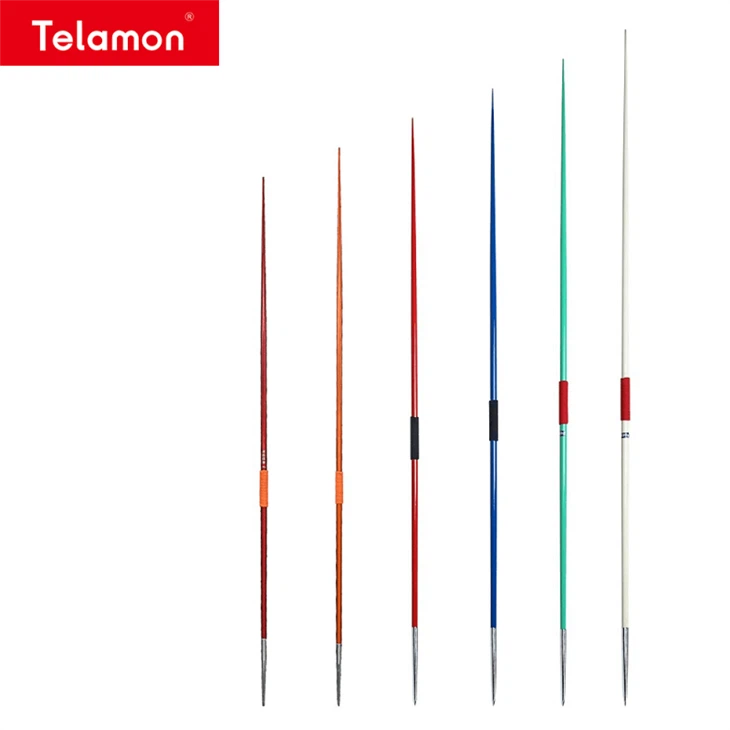
Intended Use
The intended use of a javelin is also an important factor to consider. Javelins can be used for various purposes, such as training, competition, or recreational use.
- Training Javelin: Training javelins are designed to be used during practice sessions. They are usually less expensive and more durable than competition javelins. Training javelins can also be used to develop proper throwing technique and build strength.
- Competition Javelin: Competition javelins are designed to be used in official competitions. They are made to strict specifications and must meet certain standards in terms of weight, length, and performance. Competition javelins are usually more expensive than training javelins but offer better performance and accuracy.
- Recreational Javelin: Recreational javelins are designed for casual use and are not intended for serious competition. They are usually less expensive and more forgiving than competition javelins. Recreational javelins can be a great way to enjoy the sport of javelin throwing without having to invest in expensive equipment.
Other Factors
In addition to the factors mentioned above, there are also other factors to consider when choosing a javelin, such as grip, balance, and brand.
- Grip: The grip of a javelin is an important factor to consider, as it can affect an athlete's control and accuracy. Javelins usually come with a variety of grip options, such as smooth, textured, or grooved. Athletes should choose a grip that feels comfortable and provides good control.
- Balance: The balance of a javelin is also an important factor to consider, as it can affect an athlete's throwing technique and the distance they can achieve. Javelins should be balanced properly, with the center of gravity located in the right place. Athletes should choose a javelin that feels balanced and comfortable in their hand.
- Brand: The brand of a javelin can also be an important factor to consider, as it can affect the quality and performance of the javelin. There are many different brands of javelins available on the market, each with its own reputation and features. Athletes should choose a brand that they trust and that has a good reputation for quality and performance.
Conclusion
Choosing the right javelin is a crucial decision for athletes, coaches, and sports enthusiasts alike. By considering the factors mentioned above, such as weight, material, length, intended use, grip, balance, and brand, you can select the perfect javelin for your needs. As a javelin supplier, I am committed to providing high-quality javelins that meet the needs of athletes of all levels. If you have any questions or need further assistance in choosing a javelin, please do not hesitate to contact me. I look forward to helping you find the perfect javelin for your next competition or training session.
References
- "Javelin Throwing: A Comprehensive Guide." Sports Science Journal, vol. 10, no. 2, 2020, pp. 45-52.
- "The Science of Javelin Throwing." Journal of Sports Biomechanics, vol. 15, no. 3, 2019, pp. 78-85.
- "Choosing the Right Javelin for Your Needs." Track and Field News, vol. 25, no. 4, 2018, pp. 32-37.
