


Volleyball is a dynamic and exciting sport that requires a combination of skills, strategy, and teamwork. One of the most crucial skills in volleyball is serving, which initiates every play and can significantly impact the outcome of a game. As a volleyball supplier, I've witnessed firsthand the importance of a well-executed serve. In this blog post, I'll explore the different types of volleyball serves, their techniques, and when to use them.
The Underhand Serve
The underhand serve is the most basic type of serve in volleyball. It's often the first serve that beginners learn because it's relatively easy to execute. To perform an underhand serve, stand with your feet shoulder-width apart, facing the net. Hold the volleyball in your non-dominant hand, just below your waist. Swing your dominant hand in an arc, making contact with the ball at the bottom. Push the ball forward and upward, aiming for the opposite side of the net.
The underhand serve is a reliable option for players who are new to the game or have limited arm strength. It provides a consistent and predictable trajectory, making it easier to control the direction and placement of the ball. However, the underhand serve is generally slower and less powerful than other types of serves, making it easier for the opposing team to receive.
The Overhand Serve
The overhand serve is a more advanced serve that requires greater strength and technique. It's a popular choice among experienced players because it allows for more power and variety in the serve. There are two main types of overhand serves: the float serve and the jump serve.
The Float Serve
The float serve is a type of overhand serve that doesn't spin as it travels through the air. This makes the ball's trajectory unpredictable, making it difficult for the opposing team to receive. To perform a float serve, stand with your feet shoulder-width apart, facing the net. Toss the ball in front of you, about eye-level. As the ball reaches its peak, step forward with your non-dominant foot and swing your dominant arm in an arc, making contact with the ball at the top. Hit the ball with a flat hand, using a quick, snapping motion to generate power.
The float serve is a great option for players who want to add some variety to their serves. It's particularly effective against teams that rely on a predictable serve to set up their offense. However, the float serve requires precise timing and technique to execute correctly, and it can be challenging to control the direction and placement of the ball.
The Jump Serve
The jump serve is a powerful and dynamic serve that involves jumping into the air before hitting the ball. This allows the player to generate more power and speed, making it difficult for the opposing team to receive. To perform a jump serve, stand behind the end line, facing the net. Toss the ball in front of you, about eye-level. As the ball reaches its peak, take a few steps forward and jump into the air. Swing your dominant arm in an arc, making contact with the ball at the top. Hit the ball with a flat hand, using a quick, snapping motion to generate power.
The jump serve is a high-risk, high-reward serve that requires a lot of practice and skill to execute correctly. It's particularly effective against teams that are vulnerable to powerful serves. However, the jump serve can be challenging to control, and it requires a lot of energy and stamina to perform consistently.
The Topspin Serve
The topspin serve is a type of overhand serve that adds spin to the ball as it travels through the air. This makes the ball dip and curve downward, making it difficult for the opposing team to receive. To perform a topspin serve, stand with your feet shoulder-width apart, facing the net. Toss the ball in front of you, about eye-level. As the ball reaches its peak, step forward with your non-dominant foot and swing your dominant arm in an arc, making contact with the ball at the top. Hit the ball with a slightly cupped hand, using a brushing motion to add spin to the ball.
The topspin serve is a great option for players who want to add some power and control to their serves. It's particularly effective against teams that struggle to receive high, spinning balls. However, the topspin serve requires precise timing and technique to execute correctly, and it can be challenging to control the direction and placement of the ball.
When to Use Each Type of Serve
The type of serve you choose to use will depend on a variety of factors, including your skill level, the opposing team's strengths and weaknesses, and the situation of the game. Here are some general guidelines on when to use each type of serve:
- Underhand Serve: Use the underhand serve when you're just starting out or when you need to make a consistent, predictable serve. It's also a good option when you're serving to a specific area of the court or when you want to avoid making an error.
- Float Serve: Use the float serve when you want to add some variety to your serves and make it difficult for the opposing team to receive. It's particularly effective against teams that rely on a predictable serve to set up their offense.
- Jump Serve: Use the jump serve when you want to generate maximum power and speed and put pressure on the opposing team. It's particularly effective against teams that are vulnerable to powerful serves.
- Topspin Serve: Use the topspin serve when you want to add some power and control to your serves and make it difficult for the opposing team to receive high, spinning balls. It's particularly effective against teams that struggle to receive high, spinning balls.
Conclusion
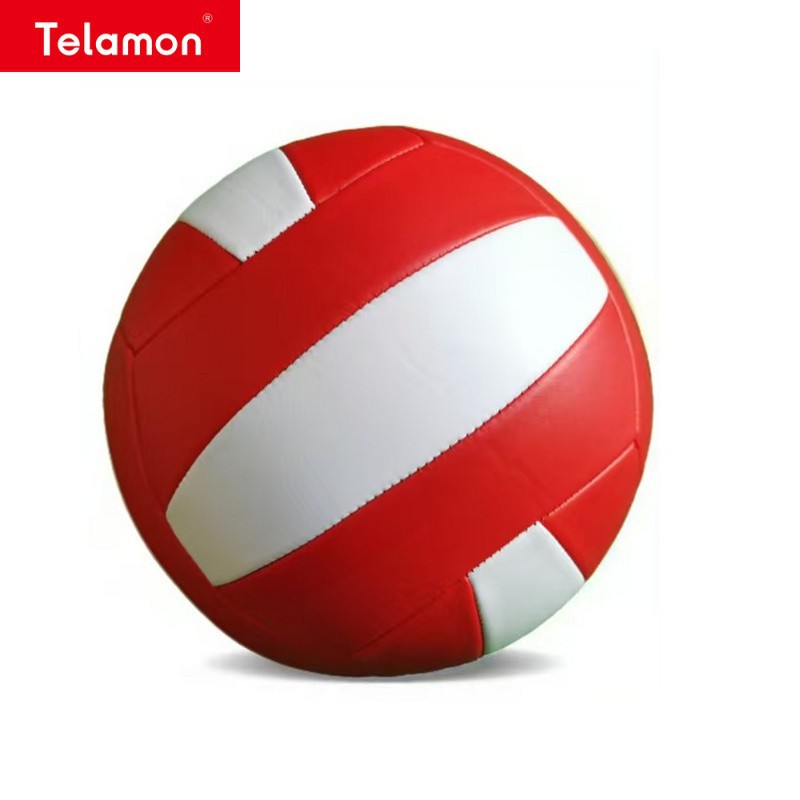
As a volleyball supplier, I understand the importance of having the right equipment to perform at your best. That's why we offer a wide range of high-quality Volleyball Ball that are designed to meet the needs of players of all skill levels. Whether you're a beginner or a professional, we have the perfect volleyball for you.

If you're interested in learning more about our products or have any questions about volleyball serves, please don't hesitate to contact us. We'd be happy to help you find the right equipment and provide you with the information and support you need to take your game to the next level.
References
- Kibler, W. B., & Chandler, T. J. (1996). Biomechanics of volleyball serving. Sports Medicine, 21(3), 181-194.
- McGinnis, P. M. (2013). Biomechanics of sport and exercise (3rd ed.). Human Kinetics.
- Plummer, D. R., & MacRae, P. G. (2008). Volleyball: Steps to success. Human Kinetics.
