


Can you use a rugby ball for training purposes?
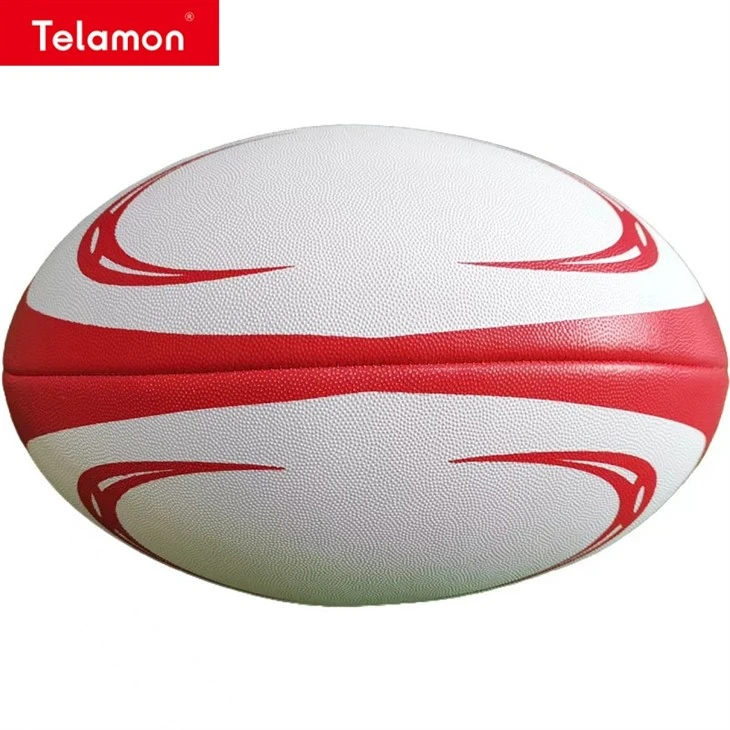
Rugby is a dynamic and physically demanding sport that requires a combination of strength, speed, agility, and skill. At the heart of the game lies the rugby ball, a unique oval-shaped sphere that is essential for both matches and training. As a rugby ball supplier, I often get asked whether a rugby ball can be effectively used for training purposes. In this blog post, I will explore the various aspects of using a rugby ball for training and highlight its benefits.
The Versatility of Rugby Balls in Training
One of the key advantages of using a rugby ball for training is its versatility. Rugby balls come in different sizes and weights, making them suitable for players of all ages and skill levels. Whether you are a beginner learning the basics or an experienced player looking to improve your technique, there is a rugby ball that can meet your training needs.
For young players, Personalised Childrens Rugby Ball are a great option. These balls are smaller and lighter, making them easier to handle and control. They are also often personalized with the player's name or team logo, which can add a sense of ownership and motivation.
For more advanced players, Rugby Match Balls are designed to meet the highest standards of performance. These balls are typically larger and heavier, providing a more realistic feel and allowing players to develop their strength and accuracy.
In addition to different sizes and weights, rugby balls also come in a variety of materials, including leather, synthetic leather, and rubber. Each material has its own unique properties, which can affect the ball's performance and durability. For example, leather balls are known for their softness and grip, while synthetic leather balls are more durable and resistant to wear and tear.
Training with a Rugby Ball
Using a rugby ball for training can help players develop a wide range of skills, including passing, catching, kicking, and running with the ball. Here are some specific training drills that you can do with a rugby ball:
- Passing drills: Passing is one of the most important skills in rugby. To improve your passing accuracy and speed, you can practice passing drills with a partner. Start by standing a few meters apart and passing the ball back and forth. As you get more comfortable, you can increase the distance and add more players to the drill.
- Catching drills: Catching is another essential skill in rugby. To improve your catching ability, you can practice catching drills with a partner or by yourself. You can use a wall or a net to bounce the ball off and practice catching it on the fly.
- Kicking drills: Kicking is a crucial skill in rugby, especially for scoring points. To improve your kicking accuracy and distance, you can practice kicking drills with a goalpost or a target. Start by kicking the ball from a short distance and gradually increase the distance as you get more comfortable.
- Running with the ball drills: Running with the ball is a key skill in rugby. To improve your running with the ball ability, you can practice running drills with a rugby ball. You can run through cones or obstacles while carrying the ball, or you can practice changing direction quickly while running with the ball.
Benefits of Training with a Rugby Ball
Using a rugby ball for training offers several benefits for players of all ages and skill levels. Here are some of the key benefits:
- Improved physical fitness: Rugby is a physically demanding sport that requires a high level of fitness. Training with a rugby ball can help players improve their strength, speed, agility, and endurance.
- Enhanced skills and technique: Training with a rugby ball can help players develop and improve their passing, catching, kicking, and running with the ball skills. By practicing these skills regularly, players can become more confident and effective on the field.
- Increased teamwork and communication: Rugby is a team sport that requires good teamwork and communication. Training with a rugby ball can help players develop these skills by working together with their teammates to achieve a common goal.
- Fun and enjoyment: Training with a rugby ball can be a fun and enjoyable way to stay active and healthy. Whether you are playing with friends or on a team, rugby offers a great opportunity to socialize and have fun while improving your skills.
Choosing the Right Rugby Ball for Training
When choosing a rugby ball for training, there are several factors to consider, including the size, weight, material, and brand. Here are some tips to help you choose the right rugby ball for your training needs:
- Size: The size of the rugby ball you choose will depend on your age and skill level. For young players, a size 3 or 4 ball is recommended. For older players, a size 5 ball is typically used.
- Weight: The weight of the rugby ball you choose will also depend on your age and skill level. For young players, a lighter ball is recommended. For older players, a heavier ball can help improve strength and accuracy.
- Material: The material of the rugby ball you choose will affect its performance and durability. Leather balls are known for their softness and grip, while synthetic leather balls are more durable and resistant to wear and tear.
- Brand: There are many different brands of rugby balls available on the market. When choosing a brand, it is important to consider the quality, performance, and reputation of the brand.
Conclusion
In conclusion, using a rugby ball for training is a great way to improve your skills, fitness, and enjoyment of the sport. Whether you are a beginner or an experienced player, there is a rugby ball that can meet your training needs. By choosing the right rugby ball and practicing regularly, you can become a more confident and effective player on the field.
If you are interested in purchasing a rugby ball for training purposes, please feel free to contact us. We offer a wide range of rugby balls, including Personalised Childrens Rugby Ball, Rugby Match Balls, and Gold Rugby Ball. Our team of experts can help you choose the right rugby ball for your needs and provide you with the best possible service.

References
- World Rugby. (n.d.). Rugby Ball Specifications. Retrieved from https://www.world.rugby/participation/equipment/balls
- Rugby Australia. (n.d.). Rugby Ball Sizes. Retrieved from https://www.rugby.com.au/rugby-ball-sizes
- RugbyPass. (n.d.). How to Choose the Right Rugby Ball. Retrieved from https://www.rugbypass.com/news/how-to-choose-the-right-rugby-ball/
