


Artistic gymnastics is a captivating and dynamic sport that combines strength, flexibility, grace, and precision. It has a rich history and has evolved significantly over the years, becoming a staple in the world of sports and entertainment. As a gymnastics supplier, I have had the privilege of witnessing the beauty and complexity of this sport up close, and I am excited to share some insights into what artistic gymnastics truly is.
The Basics of Artistic Gymnastics
Artistic gymnastics is divided into two main categories: men's and women's gymnastics. Each category has its own set of events, which showcase different skills and abilities.
Men's Gymnastics
Men compete in six events: floor exercise, pommel horse, rings, vault, parallel bars, and horizontal bar. Each event requires a unique combination of strength, balance, and agility. For example, the floor exercise is a high - energy routine performed on a spring - loaded floor, where gymnasts execute acrobatic skills such as flips, twists, and jumps. The pommel horse demands excellent upper - body strength and balance as gymnasts perform circular and linear movements around the apparatus. The rings event is all about strength and control, with gymnasts holding difficult positions and performing dynamic swings. The vault is a high - speed event where gymnasts run down a runway, jump onto a springboard, and perform a series of flips and twists over the vaulting table. The parallel bars and horizontal bar events test gymnasts' strength, flexibility, and coordination as they perform complex sequences of swings, releases, and catches.

Women's Gymnastics
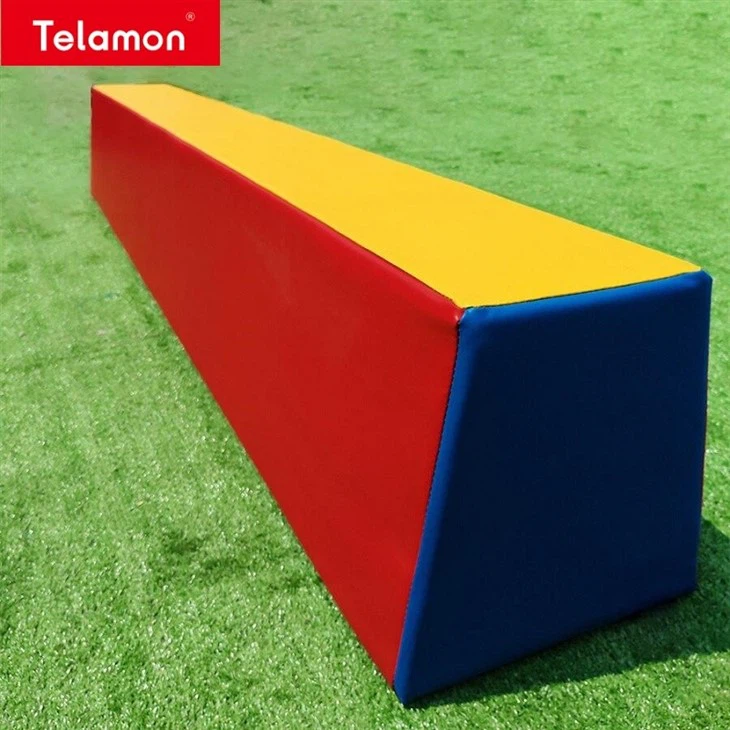
Women compete in four events: vault, uneven bars, balance beam, and floor exercise. The vault is similar to the men's event, with gymnasts aiming to achieve high - flying and technically difficult routines. The uneven bars require gymnasts to transfer between two bars of different heights, performing swings, releases, and catches with great precision. The Balance Beam Gymnastics is perhaps one of the most challenging events, as gymnasts must perform a series of acrobatic and dance elements on a narrow beam, testing their balance and poise. The floor exercise combines dance, acrobatics, and flexibility, with gymnasts performing routines set to music.
The History of Artistic Gymnastics
The origins of artistic gymnastics can be traced back to ancient Greece, where it was an important part of physical education and military training. Gymnastics was used to develop strength, agility, and coordination, and it was also a form of entertainment. Over the centuries, gymnastics evolved and spread to other parts of the world. In the 19th century, modern gymnastics began to take shape, with the development of standardized rules and the introduction of new apparatuses.
The first modern Olympic Games in 1896 included gymnastics as one of the sports, and it has been a part of the Olympics ever since. Since then, artistic gymnastics has continued to grow in popularity, with more countries participating and more gymnasts achieving high - level performances.
The Skills and Training in Artistic Gymnastics
Training in artistic gymnastics is intense and requires a great deal of dedication and commitment. Gymnasts start training at a young age, usually around 3 - 6 years old, and gradually progress through different levels of difficulty. The training process focuses on developing strength, flexibility, balance, and coordination.
Strength training is essential for gymnasts, as they need to be able to support their own body weight and perform powerful movements. Exercises such as push - ups, pull - ups, and weightlifting are commonly used to build upper - body and lower - body strength. Flexibility training is also crucial, as gymnasts need to be able to perform splits, backbends, and other extreme positions. Stretching exercises, yoga, and Pilates are often incorporated into the training routine to improve flexibility.
Balance and coordination are developed through specific drills and exercises on the apparatuses. Gymnasts practice walking, running, and performing skills on the balance beam, uneven bars, and other equipment to improve their balance and control. They also work on their spatial awareness and timing to execute complex routines with precision.
The Role of Apparatuses in Artistic Gymnastics
The apparatuses in artistic gymnastics play a crucial role in the sport. Each apparatus requires different skills and techniques, and gymnasts must master them to perform well.
As a gymnastics supplier, we offer a wide range of high - quality apparatuses for both men's and women's gymnastics. For example, our Rhythmic Gymnastics Ribbon Stick is designed to meet the needs of rhythmic gymnasts, providing a durable and flexible stick with a beautiful ribbon. Our Men's Gymnastics Balance Beam is built to the highest standards, ensuring stability and safety for male gymnasts.
The Importance of Artistic Gymnastics
Artistic gymnastics is not only a sport but also an art form. It combines physical prowess with artistic expression, creating a unique and captivating experience for both athletes and spectators. Gymnastics helps to develop discipline, self - confidence, and teamwork. Gymnasts learn to set goals, work hard, and overcome challenges, which are valuable life skills.
In addition, artistic gymnastics has a positive impact on physical health. It improves strength, flexibility, balance, and coordination, which can reduce the risk of injuries and improve overall physical fitness. It also promotes mental health by reducing stress and anxiety and enhancing self - esteem.
Conclusion
Artistic gymnastics is a fascinating and rewarding sport that offers a wide range of benefits. Whether you are a young athlete looking to start a career in gymnastics or a coach or school looking to equip your facility, we are here to help. Our high - quality gymnastics apparatuses are designed to meet the needs of gymnasts at all levels, from beginners to elite athletes.
If you are interested in purchasing gymnastics equipment or have any questions about our products, please feel free to contact us for a detailed discussion. We look forward to working with you to support the growth and development of artistic gymnastics.
References
- International Gymnastics Federation (FIG) official publications
- Various sports science journals on gymnastics training and performance
- Historical records of the development of gymnastics in different countries
