


When it comes to the world of javelin throwing, one of the most common questions beginners have is, "What is the ideal weight of a javelin for beginners?" As a javelin supplier, I've encountered this query numerous times. In this blog post, I'll delve into the factors that determine the ideal javelin weight for beginners and provide some practical advice to help you make the right choice.
Understanding the Basics of Javelin Throwing
Before we discuss the ideal weight, it's essential to understand the basic mechanics of javelin throwing. Javelin throwing is a track and field event that requires a combination of strength, technique, and coordination. The goal is to throw the javelin as far as possible within a designated throwing area. The javelin itself is a long, slender spear-like object with a metal tip and a grip for the thrower.
Factors Affecting the Ideal Javelin Weight
Several factors come into play when determining the ideal javelin weight for beginners. These factors include the thrower's age, gender, physical strength, and experience level. Let's take a closer look at each of these factors:
Age
Age is a significant factor in determining the ideal javelin weight. Younger beginners typically have less strength and coordination than older throwers. As a result, they should start with a lighter javelin. For example, children between the ages of 8 and 12 may start with a javelin weighing around 300 to 400 grams. As they grow older and stronger, they can gradually increase the weight of the javelin.
Gender
Gender also plays a role in determining the ideal javelin weight. Generally, men have more upper body strength than women, so they can handle heavier javelins. The standard men's javelin used in international competitions weighs 800 grams, while the standard women's javelin weighs 600 grams. However, beginners may start with lighter javelins to build their strength and technique.
Physical Strength
Physical strength is another crucial factor in determining the ideal javelin weight. Beginners with more upper body strength can handle heavier javelins than those with less strength. It's important to choose a javelin weight that allows you to throw with proper technique and control. If the javelin is too heavy, you may struggle to throw it accurately and may even risk injury.
Experience Level
Experience level is also a consideration when choosing a javelin weight. Beginners with little or no experience should start with a lighter javelin to learn the basic techniques of javelin throwing. As they gain more experience and confidence, they can gradually increase the weight of the javelin.
Recommended Javelin Weights for Beginners
Based on the factors discussed above, here are some recommended javelin weights for beginners:
Children (8 - 12 years old)
- Boys: 300 - 400 grams
- Girls: 300 - 400 grams
Teenagers (13 - 17 years old)
- Boys: 500 - 600 grams
- Girls: 400 - 500 grams
Adults (18 years old and above)
- Men: 600 - 800 grams
- Women: 400 - 600 grams
It's important to note that these are just general guidelines, and the ideal javelin weight may vary depending on the individual's physical strength, experience level, and personal preferences. It's always a good idea to consult with a coach or experienced javelin thrower to determine the best javelin weight for you.
Types of Javelins for Beginners
As a javelin supplier, we offer a variety of javelins suitable for beginners. Here are some of the types of javelins we recommend:
Aluminum Javelin
Aluminum javelins are a popular choice for beginners because they are lightweight, durable, and affordable. They are also easy to handle and provide a good balance between distance and control.
Training Javelin
Training javelins are designed specifically for beginners and those who are new to javelin throwing. They are typically lighter and shorter than competition javelins, making them easier to handle and learn the basic techniques.
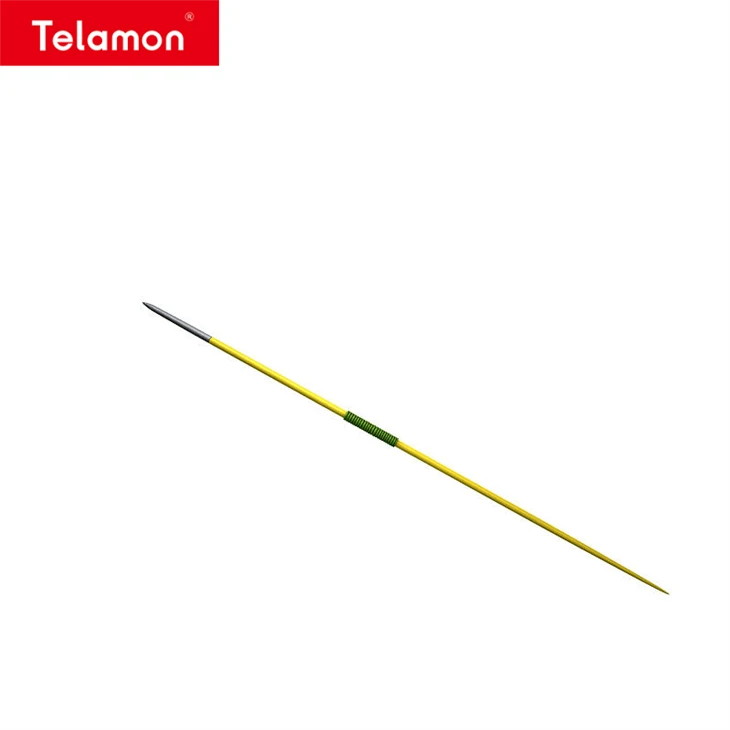

Throw Javelin
Throw javelins are designed for more experienced throwers who are looking to improve their distance and accuracy. They are typically heavier and longer than training javelins and require more strength and technique to throw effectively.
Tips for Choosing the Right Javelin
Here are some tips to help you choose the right javelin for your needs:
Consider Your Goals
Before choosing a javelin, it's important to consider your goals. Are you looking to learn the basic techniques of javelin throwing, or are you aiming to compete at a higher level? If you're a beginner, it's recommended to start with a lighter javelin to build your strength and technique. If you're more experienced, you may want to choose a heavier javelin to improve your distance and accuracy.
Try Different Javelins
It's a good idea to try different javelins to see which one feels the most comfortable and suits your throwing style. You can borrow javelins from a coach or fellow thrower, or you can visit a sports store and try out different models. Pay attention to the weight, balance, and grip of the javelin to ensure a good fit.
Get Professional Advice
If you're unsure which javelin is right for you, it's always a good idea to get professional advice. A coach or experienced javelin thrower can help you determine the ideal javelin weight and type based on your age, gender, physical strength, and experience level. They can also provide you with tips and techniques to improve your throwing performance.
Conclusion
Choosing the right javelin weight is an important decision for beginners. By considering factors such as age, gender, physical strength, and experience level, you can select a javelin that is comfortable to handle and allows you to throw with proper technique and control. As a javelin supplier, we offer a variety of javelins suitable for beginners, including Aluminum Javelin, Training Javelin, and Throw Javelin. If you have any questions or need further assistance in choosing the right javelin, please don't hesitate to contact us. We're here to help you achieve your javelin throwing goals.
References
- Hay, J. G. (1993). The Biomechanics of Sports Techniques. Prentice Hall.
- Dapena, J. (1984). A three-dimensional analysis of the javelin throw. Journal of Biomechanics, 17(1), 57-68.
- Linthorne, N. P. (2007). The effect of aerodynamic forces on the flight of the javelin. Sports Engineering, 10(1), 1-12.
