


Volleyball is a thrilling and dynamic sport that combines athleticism, teamwork, and strategy. Whether you're a seasoned pro or a beginner, the risk of injury is always present on the volleyball court. As a volleyball provider, I understand the importance of keeping players safe and preventing injuries. In this blog, I'll share some valuable tips and strategies to help you minimize the risk of getting hurt while enjoying the game.
Warm-up and Stretching
One of the most effective ways to prevent injuries in volleyball is to start each practice or game with a proper warm-up and stretching routine. A good warm-up increases blood flow to your muscles, raises your body temperature, and prepares your joints for the physical demands of the sport. Begin with 5-10 minutes of light cardiovascular exercise, such as jogging in place, skipping, or jumping jacks. This will gradually elevate your heart rate and loosen up your muscles.
After the cardiovascular warm-up, move on to dynamic stretching exercises that mimic the movements used in volleyball. Dynamic stretches involve controlled movements that take your joints through a full range of motion. Examples of dynamic stretches for volleyball include leg swings, arm circles, torso twists, and lunges with a twist. Perform each stretch for 10-15 seconds on each side, focusing on smooth and controlled movements.
Static stretching, which involves holding a stretch for an extended period, is best done after your workout or game when your muscles are warm. Static stretches can help improve flexibility and reduce muscle soreness. Some effective static stretches for volleyball players include hamstring stretches, quadriceps stretches, calf stretches, and shoulder stretches. Hold each static stretch for 20-30 seconds and repeat 2-3 times.
Proper Technique
Using proper technique is crucial for preventing injuries in volleyball. Incorrect technique can put excessive stress on your muscles, joints, and ligaments, increasing the risk of strains, sprains, and other injuries. Here are some key areas where proper technique is essential:
- Serving: When serving, use a smooth and controlled motion to generate power. Avoid overextending your arm or using excessive force, as this can lead to shoulder injuries. Keep your elbow in front of your body and follow through with your arm after the serve.
- Passing: When passing the ball, use your forearms to make contact with the ball. Keep your elbows straight and your wrists firm to ensure a stable platform. Avoid using your hands to pass the ball, as this can lead to wrist injuries.
- Setting: When setting the ball, use your fingertips to make contact with the ball. Keep your fingers spread wide and your wrists relaxed to ensure a soft and accurate set. Avoid using your palms to set the ball, as this can lead to finger and hand injuries.
- Spiking: When spiking the ball, use a powerful jumping motion to generate height and speed. Keep your elbow bent and your wrist relaxed as you swing your arm forward to hit the ball. Avoid overextending your arm or using excessive force, as this can lead to shoulder and elbow injuries.
Working with a qualified volleyball coach or trainer can help you develop proper technique and reduce your risk of injury. A coach can provide personalized feedback and guidance based on your skill level and physical abilities.
Strength and Conditioning
Building strength and endurance is essential for preventing injuries in volleyball. A strong and conditioned body is better able to withstand the physical demands of the sport and reduce the risk of muscle strains, sprains, and other injuries. Here are some key areas to focus on in your strength and conditioning routine:
- Core Strength: A strong core provides stability and support for your spine and pelvis, which is essential for proper body mechanics and injury prevention. Exercises such as planks, sit-ups, and Russian twists can help strengthen your core muscles.
- Lower Body Strength: The lower body is responsible for generating power and movement in volleyball. Exercises such as squats, lunges, and deadlifts can help strengthen your quadriceps, hamstrings, and glutes, reducing the risk of knee and ankle injuries.
- Upper Body Strength: The upper body is used for serving, spiking, and blocking in volleyball. Exercises such as push-ups, pull-ups, and shoulder presses can help strengthen your chest, back, shoulders, and arms, reducing the risk of shoulder and elbow injuries.
- Cardiovascular Endurance: Volleyball is a fast-paced sport that requires high levels of cardiovascular endurance. Exercises such as running, cycling, and swimming can help improve your cardiovascular fitness, allowing you to play at a high level for longer periods of time.
Incorporating strength and conditioning exercises into your training routine at least 2-3 times per week can help improve your overall physical fitness and reduce your risk of injury.
Proper Equipment
Using the right equipment is essential for preventing injuries in volleyball. Here are some key pieces of equipment that every volleyball player should have:
-
Volleyball Shoes: Volleyball shoes are designed to provide support, stability, and traction on the court. They have a non-marking sole that helps prevent slipping and a cushioned midsole that absorbs shock. Be sure to choose a pair of volleyball shoes that fit well and provide adequate support for your feet and ankles.
You can find a variety of volleyball shoes at Volleyball Beach. -
Knee Pads: Knee pads are essential for protecting your knees from impact and abrasion. They help cushion the knees when you dive or slide on the court. Be sure to choose a pair of knee pads that fit well and provide adequate protection for your knees.
-
Wrist and Ankle Braces: Wrist and ankle braces can provide additional support and stability for your joints, reducing the risk of sprains and strains. They are especially useful for players who have a history of wrist or ankle injuries.
-
Volleyball: Using a high-quality volleyball is essential for a good game experience. A well-made volleyball will have better bounce and control, making it easier to play with. You can explore a range of volleyball options at Volleyball Ball.
Rest and Recovery
Rest and recovery are just as important as training and practice when it comes to preventing injuries in volleyball. Your body needs time to repair and recover from the physical stress of the sport. Here are some tips for proper rest and recovery:
- Get Enough Sleep: Sleep is essential for muscle recovery and growth. Aim for 7-9 hours of quality sleep per night to allow your body to rest and recover.
- Take Breaks: Make sure to take regular breaks during practice and games to give your body a chance to rest. This can help prevent fatigue and reduce the risk of injury.
- Stretch after Training: After each workout or game, take a few minutes to stretch your muscles. This can help reduce muscle soreness and improve flexibility.
- Use Ice and Heat Therapy: Ice therapy can help reduce inflammation and pain after an injury. Heat therapy can help relax muscles and improve blood flow. Use ice and heat therapy as needed to help speed up the recovery process.
Practice Proper Court Etiquette
Practicing proper court etiquette can also help prevent injuries in volleyball. Here are some tips to keep in mind:
- Respect Your Teammates: Treat your teammates with respect and courtesy. Avoid pushing or shoving during drills or games, as this can lead to collisions and injuries.
- Be Aware of Your Surroundings: Pay attention to where you are on the court and where other players are. Avoid running into other players or equipment, as this can lead to injuries.
- Follow the Rules: Make sure you understand and follow the rules of the game. This can help prevent dangerous plays and reduce the risk of injury.
Seek Professional Help
If you experience pain or discomfort during or after a volleyball game or practice, it's important to seek professional help. A qualified sports medicine doctor or physical therapist can evaluate your injury and provide appropriate treatment. Early intervention can help prevent further injury and speed up the recovery process.
Conclusion
Preventing injuries in volleyball requires a combination of proper warm-up and stretching, correct technique, strength and conditioning, appropriate equipment, rest and recovery, and adherence to court etiquette. By following these tips and strategies, you can minimize your risk of getting hurt and enjoy the game safely.
As a volleyball provider, I'm committed to helping you stay safe and perform at your best. If you're in the market for high-quality volleyball equipment, I invite you to explore our selection at Practice Volleyball and Volleyball Ball. Whether you're a beginner or a seasoned pro, we have the products you need to take your game to the next level.

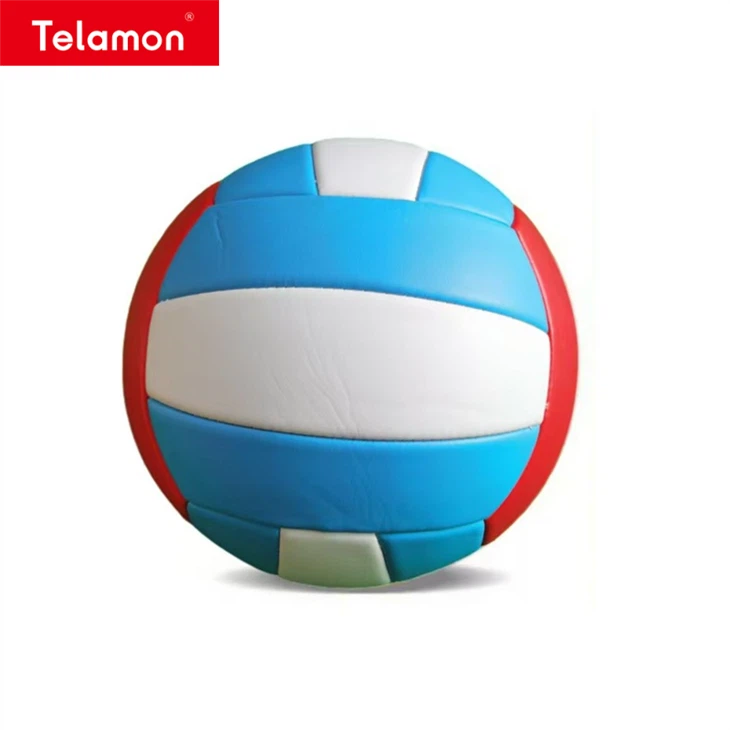
If you have any questions or would like to discuss your equipment needs, please feel free to reach out. I'm here to assist you in finding the perfect volleyball gear for your requirements. Let's work together to keep you on the court and injury-free!
References
- American Academy of Orthopaedic Surgeons. (2023). Volleyball Injuries. Retrieved from https://orthoinfo.aaos.org/en/sports-injuries/volleyball-injuries/
- National Athletic Trainers' Association. (2023). Preventing Volleyball Injuries. Retrieved from https://www.nata.org/health-safety/preventing-volleyball-injuries
- Sports Medicine Institute. (2023). Injury Prevention in Volleyball. Retrieved from https://www.sportsmed.org/injury-prevention/volleyball/
