


Participating in a volleyball tournament is an exhilarating experience that combines athleticism, teamwork, and the thrill of competition. As a volleyball supplier, I have witnessed firsthand the passion and dedication that athletes bring to the court. In this blog post, I will share some insights on how you can effectively participate in a volleyball tournament, from preparation to execution.
Pre - Tournament Preparation
Team Selection and Training
The first step in participating in a volleyball tournament is to assemble a strong team. Look for players with diverse skills, including spikers, setters, blockers, and defensive specialists. A well - rounded team is more likely to succeed in a tournament.
Once the team is formed, regular training sessions are essential. Focus on fundamental skills such as serving, passing, setting, spiking, and blocking. Drills should be designed to improve individual skills as well as team coordination. For example, practice passing drills in different formations to enhance communication and teamwork.
In addition to skill - based training, physical conditioning is crucial. Volleyball is a high - intensity sport that requires strength, agility, and endurance. Incorporate exercises such as weightlifting, running, and plyometrics into your training routine to build the necessary physical attributes.
Equipment and Gear
As a volleyball supplier, I understand the importance of having the right equipment. Ensure that your team has high - quality volleyballs, nets, and other necessary gear. For indoor tournaments, a standard volleyball and a regulation net are required. For beach volleyball, you may need a Beach Volleyball Set that is designed for the sand.
Proper footwear is also essential. Volleyball shoes provide good traction and support, which can help prevent injuries. Make sure each player has a pair of shoes that fit well and are suitable for the playing surface.
Tournament Research
Before the tournament, gather as much information as possible. Find out the rules and regulations of the tournament, including the format, scoring system, and any specific requirements. Familiarize yourself with the other teams in the tournament. Analyze their playing styles, strengths, and weaknesses. This will help you develop effective game strategies.
Tournament Execution
Game Strategies
On the day of the tournament, it's important to have a clear game plan. Analyze the opposing team's lineup and adjust your strategy accordingly. For example, if the opposing team has a strong spiker, focus on blocking and defensive positioning. If they have a weak setter, put pressure on their passing game.
Communication is key during the game. Encourage your team to communicate effectively on the court. Call out plays, positions, and any changes in the game plan. This will help the team stay organized and make quick decisions.
Mental Preparation
Volleyball tournaments can be stressful, especially when the stakes are high. Mental preparation is just as important as physical preparation. Teach your team to stay focused, positive, and confident. Encourage them to visualize success and stay calm under pressure.

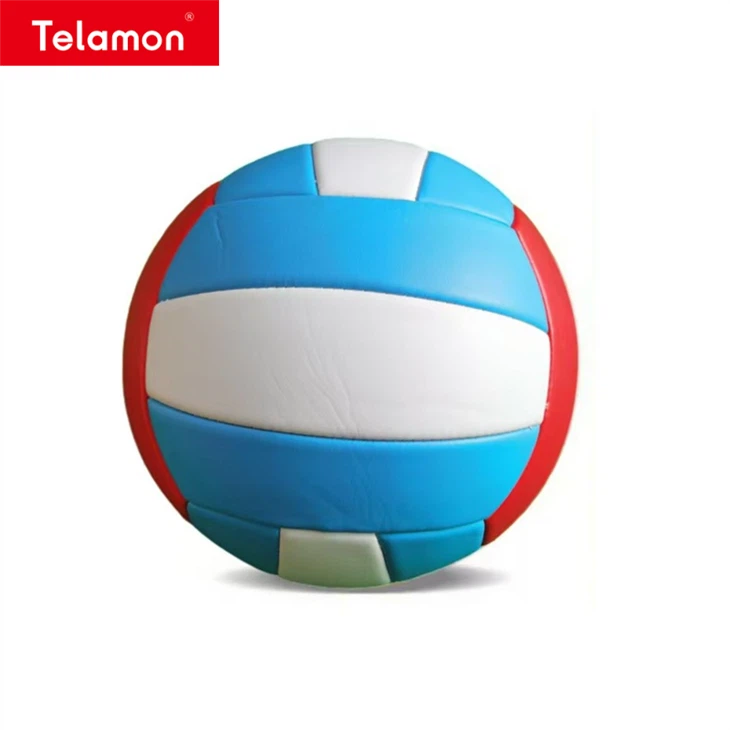
During the game, if things don't go as planned, it's important to stay composed. Don't let a few mistakes derail the team. Instead, use them as learning opportunities and make adjustments to the game plan.
Post - Game Analysis
After each game, conduct a post - game analysis. Review the game footage if possible. Identify what went well and what needs improvement. Discuss the strengths and weaknesses of the team's performance with the players. This will help the team learn from their experiences and make necessary adjustments for the next game.
Different Types of Volleyball Tournaments
Indoor Volleyball Tournaments
Indoor volleyball tournaments are the most common type of volleyball competitions. They are usually held in sports arenas or gymnasiums. Indoor volleyball has a faster pace and requires more precise ball control. The court is smaller compared to beach volleyball, which means players need to be more agile and quick.
In indoor tournaments, teams often follow a specific rotation system. This requires players to be familiar with their positions and responsibilities at all times. For female players, Female Volleyball tournaments have their own unique characteristics and rules.
Beach Volleyball Tournaments
Beach volleyball tournaments are played on sand courts. The game is more physically demanding due to the soft surface, which requires more energy to move around. Beach volleyball is usually played in pairs, which means each player has to cover a larger area of the court.
The rules of beach volleyball are slightly different from indoor volleyball. For example, there are no back - row attacks in beach volleyball. A Beach Volleyball Set is specifically designed for this type of tournament, with a net that is lower and a ball that is slightly larger and softer.
Practice and Skill Development
Continuous practice is the key to improving your volleyball skills. In addition to team training, individual practice is also important. Players can practice their serving, passing, and spiking on their own. Practice Volleyball is a great way to work on specific skills and improve your overall performance.
Set up a practice schedule and stick to it. Allocate time for different skills and focus on areas that need improvement. For example, if you are a spiker, spend more time on spiking drills and improving your approach.
Contact for Procurement
If you are looking for high - quality volleyball equipment for your team or tournament, we are here to help. We offer a wide range of volleyball products, including volleyballs, nets, and accessories. Our products are designed to meet the needs of both amateur and professional players. Contact us to discuss your procurement needs and find the best solutions for your volleyball activities.
References
- Volleyball Coaching Manual, [Author's Name], [Publication Year]
- The Science of Volleyball, [Author's Name], [Publication Year]
- Volleyball Rules and Regulations, [Official Organization], [Publication Year]
