


Volleyball is a dynamic and popular sport enjoyed by millions around the world. While the fundamental rules of volleyball remain the same, there are significant differences between indoor and beach volleyball. As a volleyball supplier, understanding these differences is crucial for providing the right products to meet the diverse needs of players. In this blog, we'll explore the key distinctions between indoor and beach volleyball, from the playing environment to equipment requirements.
Playing Environment
One of the most obvious differences between indoor and beach volleyball is the playing surface. Indoor volleyball is played on a hard, smooth court, typically made of wood or synthetic materials. This surface provides a consistent bounce and allows for quick movements and precise ball control. The court is divided into two halves by a net, with specific dimensions regulated by international standards.
On the other hand, beach volleyball is played on sand, which adds a unique element to the game. The soft, uneven surface requires players to have more balance and stability. The sand also slows down the movement of the ball, making it more challenging to control. Beach volleyball courts are smaller than indoor courts, with a smaller playing area and a lower net.
Team Size
Another significant difference between indoor and beach volleyball is the team size. Indoor volleyball is typically played with six players on each team, divided into two rows of three. This allows for more strategic play and a greater variety of offensive and defensive formations.
In contrast, beach volleyball is played with two players on each team. This requires players to be more versatile and have a wider range of skills. With fewer players on the court, each individual's contribution is more crucial, and communication and teamwork become even more important.
Equipment
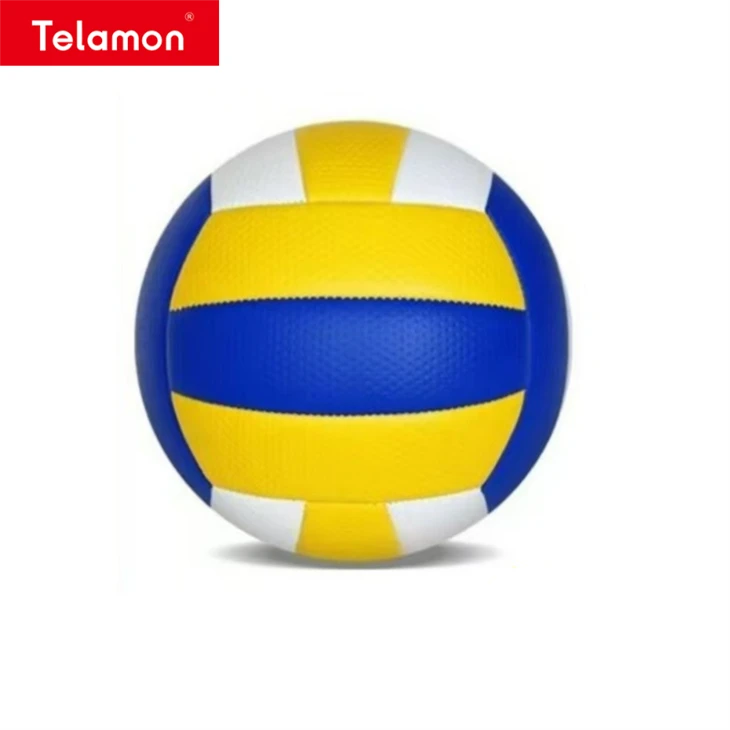
The equipment used in indoor and beach volleyball also differs. Indoor volleyballs are typically larger and heavier than beach volleyballs. They are designed to be more durable and provide a consistent bounce on the hard court surface. Indoor volleyballs are usually made of leather or synthetic materials and have a smooth surface.
Beach volleyballs, on the other hand, are smaller and lighter. They are designed to be more buoyant and have a softer feel, making them easier to handle on the sand. Beach volleyballs are often made of a softer material, such as rubber or foam, and have a textured surface to improve grip.
In addition to the volleyballs, the shoes worn by players also vary between indoor and beach volleyball. Indoor volleyball shoes are designed to provide support and traction on the hard court surface. They typically have a non-marking sole and a cushioned midsole to absorb shock.
Beach volleyball shoes, on the other hand, are designed to be lightweight and flexible. They often have a open-toe design to allow for better ventilation and a sand-friendly sole to prevent slipping on the sand.
Gameplay
The gameplay in indoor and beach volleyball also has some differences. In indoor volleyball, the game is more structured and strategic. Teams often use complex offensive and defensive formations to gain an advantage over their opponents. The fast-paced nature of indoor volleyball requires players to have quick reflexes and excellent ball control.
Beach volleyball, on the other hand, is more free-flowing and improvisational. With fewer players on the court, there is more space for individual creativity and skill. The slower pace of the game allows players to take more time to set up their shots and make strategic decisions.
Physical Demands
Both indoor and beach volleyball require a high level of physical fitness, but the specific demands of each sport are different. Indoor volleyball is a fast-paced, high-intensity sport that requires quick movements, explosive power, and excellent endurance. Players need to be able to jump high, move quickly across the court, and maintain their energy levels throughout the game.
Beach volleyball, on the other hand, is more physically demanding in terms of balance, stability, and agility. The soft sand surface requires players to use more muscles to maintain their balance and move around the court. The heat and sun exposure also add an extra challenge, making it important for players to stay hydrated and protect themselves from the elements.

Market Demand
As a volleyball supplier, it's important to understand the market demand for indoor and beach volleyball equipment. Indoor volleyball is a popular sport in many countries, especially in schools, colleges, and professional leagues. The demand for indoor volleyball equipment, such as volleyballs, nets, and shoes, is relatively stable and consistent.
Beach volleyball, on the other hand, has seen a significant increase in popularity in recent years. The sport has gained a large following around the world, especially in beach destinations and coastal areas. The demand for beach volleyball equipment, such as beach volleyballs, portable nets, and beach volleyball shoes, is growing rapidly.
Our Product Offerings
At our company, we offer a wide range of volleyball equipment for both indoor and beach volleyball. Our Female Volleyball collection is designed specifically for female players, with a focus on comfort, performance, and style. We also offer a variety of Personalized Volleyball options, allowing players to customize their volleyballs with their names, team logos, or other designs.
In addition to our standard volleyballs, we also offer White Volleyball options, which are popular for special events and tournaments. Our white volleyballs are made of high-quality materials and provide a consistent bounce and excellent grip.
Conclusion
In conclusion, there are significant differences between indoor and beach volleyball, from the playing environment to the equipment requirements. As a volleyball supplier, it's important to understand these differences and provide the right products to meet the needs of players. Whether you're an indoor volleyball player looking for high-performance equipment or a beach volleyball enthusiast in need of lightweight and durable gear, we have the products you need.
If you're interested in purchasing volleyball equipment for your team or personal use, we invite you to contact us to discuss your specific needs. Our team of experts is available to provide you with personalized recommendations and help you find the perfect products for your game.
References
- International Volleyball Federation (FIVB). (n.d.). Volleyball Rules. Retrieved from [FIVB official website]
- USA Volleyball. (n.d.). Indoor Volleyball. Retrieved from [USA Volleyball official website]
- Association of Volleyball Professionals (AVP). (n.d.). Beach Volleyball. Retrieved from [AVP official website]
