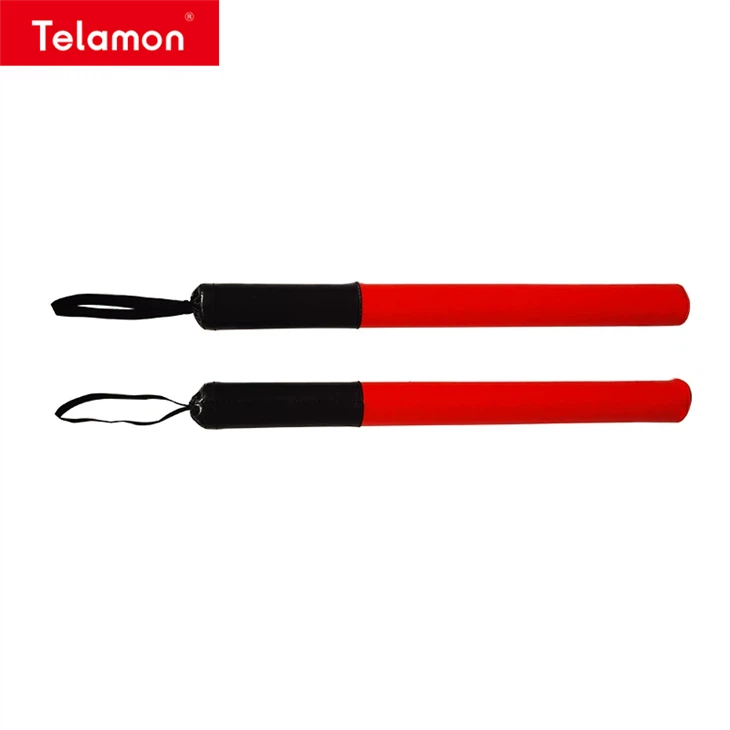
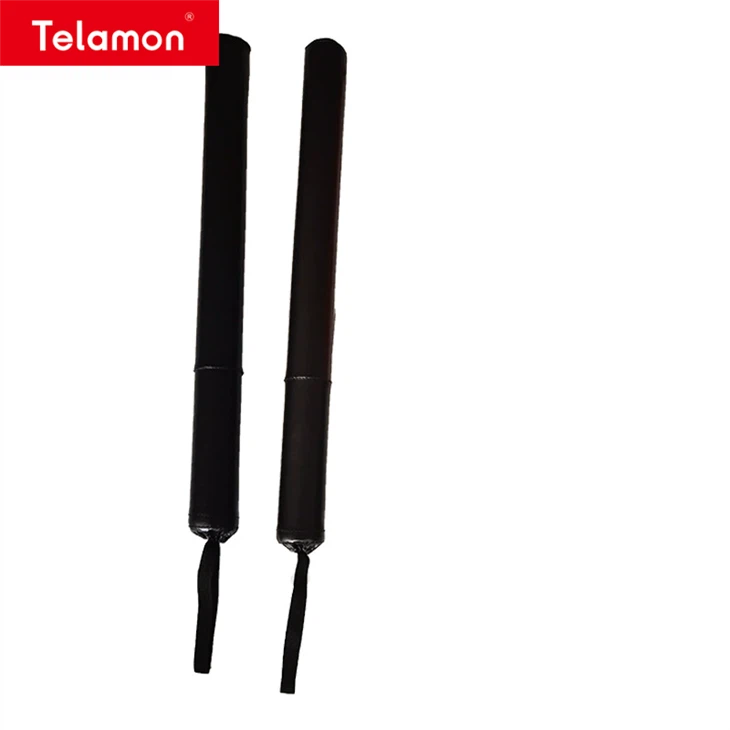
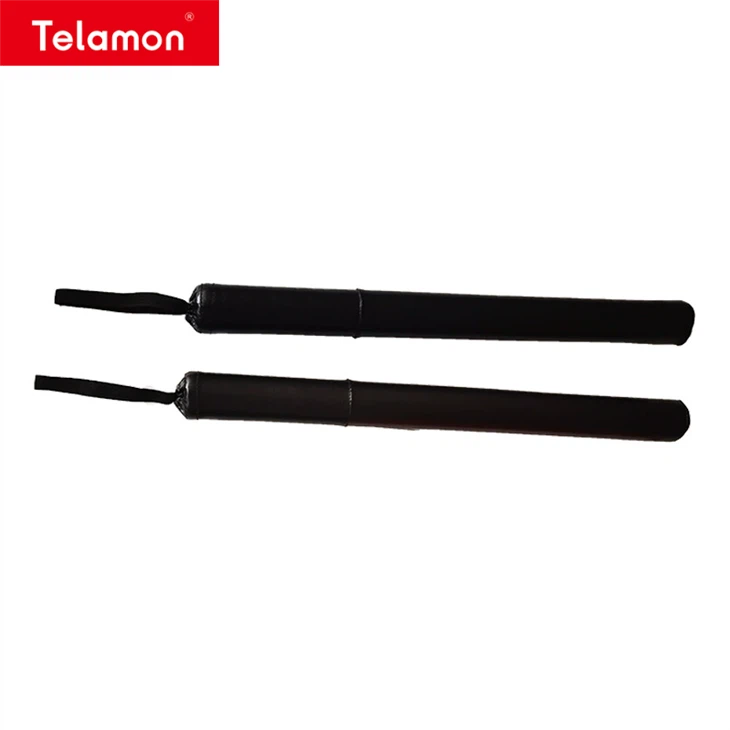
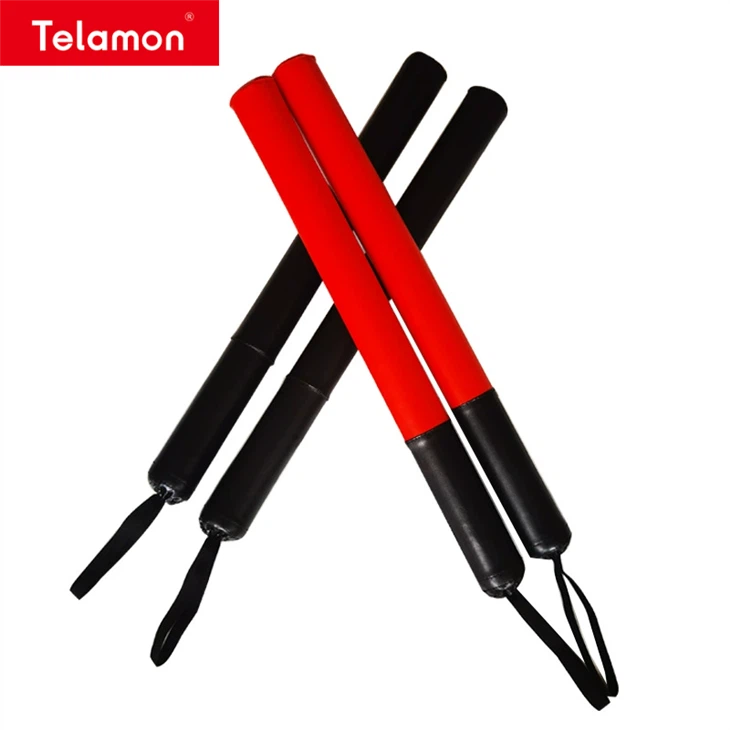

The cross-section is generally circular, with a diameter that can be comfortably gripped with one hand. As a close-combat weapon, its attack range exceeds that of swords or spears, giving rise to the ancient saying, "A staff sweeps a wide area." However, the staff primarily causes blunt force injuries and bruises, and its lethality is less than that of swords or spears.
The staff has a long history. In ancient times, when people lived in caves, they were often attacked by venomous snakes and wild beasts and had no sharp weapons for defense; the mountains were densely forested, and people often used branches as weapons for self-defense; Therefore, other weapons were either entirely made of iron or had iron blades with wooden handles, while the staff was entirely made of wood and was very simple to manufacture. From the tip to the base, it had no curvature and was simply a solid, round wooden pole. This reflects the simplicity of ancient times, as people in the primitive era did not have the concept of mechanical manufacturing.
The staff is approximately 12 feet long, with varying thicknesses, and can be customized according to personal preference; staffs are typically made from woods such as sandalwood, jujube, chestnut, or cypress, either for their strength or flexibility, with the best quality being those that are less prone to breakage; for example, white waxwood poles are rarely used due to their soft texture.
The staff originated from primitive society's production tools and was one of the earliest weapons used in warfare. During the Ming Dynasty's resistance against Japanese pirates, some local monk soldiers extensively equipped themselves with iron staffs as weapons, effectively suppressing the power of the pirates' long swords. After the advent of firearms, the staff became a martial arts training tool and withdrew from the military stage.


Hot Tags: martial arts training stick, China martial arts training stick manufacturers, suppliers, factory, Martial Arts Wooden Stick