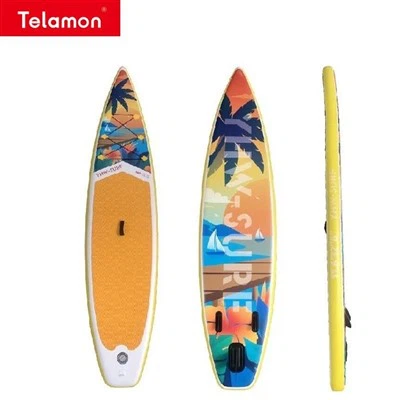
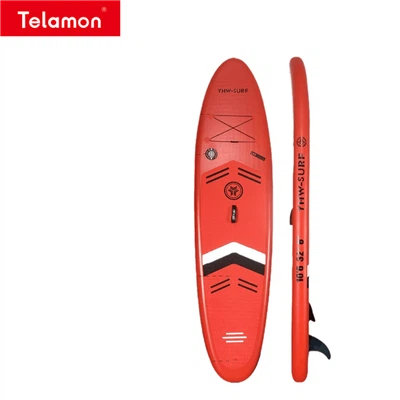
Nose – This is the leading edge or tip of your surfboard. It can be rounded or pointed. It has a direct influence on your surfboard’s paddling and handling ability.
Rails – The edges of your surfboard or curved radius that divides the top and bottom surfaces. Soft rails are rounder, while hard rails have a square shape.
Leash And Leash Plug – The leash, or leg rope, is used to attach the surfboard to the surfer. The leash plug is the point of attachment for your leash. It does not affect the surfboard’s performance, but you should check its position as this can get in the way of where you place your feet. Learn more tips in our Leash Guide.
Fins - These serve as rudders on a ship, it help maintain direction and control. A surfboard’s fin configuration can span from a single fin to the versatility of twin fins, the precision of thruster fins, the power of quad fins, and the adaptability of five fins. Each setup offers a unique experience, catering to different styles and wave conditions. To dive deeper into the world of surfboard fins, explore the comprehensive insights in the Definitive Surfboard Fin Guide. These fin choices aren't just accessories; they are integral to shaping your surfing adventure.
Stringer – This is a thin wooden strip or carbon fiber that runs along the vertical center of the board. The stringer increases the surfboard’s rigidity while reducing flexibility.
Tail –This refers rear to the rear section of the surfboard. The tail shape has a direct effect on the surfboard’s speed and ability to turn.
Rocker – This is the vertical curve profile that runs from the surfboard’s tail to nose section. There are two major designs; heavy, which is steeply curved, and light, rockers with a gentle curve.