



Post-arthroscopic surgery (e.g., meniscus repair/resection, ligament reconstruction, synovial debridement)
Post-fracture involving the articular surface (post-intra-articular fracture fixation)
Post-total hip replacement (THA)
Post-total knee replacement (TKA)
Post-other open or minimally invasive joint surgeries (e.g., rotator cuff repair, ankle fusion, etc.)
After a sports injury, ice application is your first choice
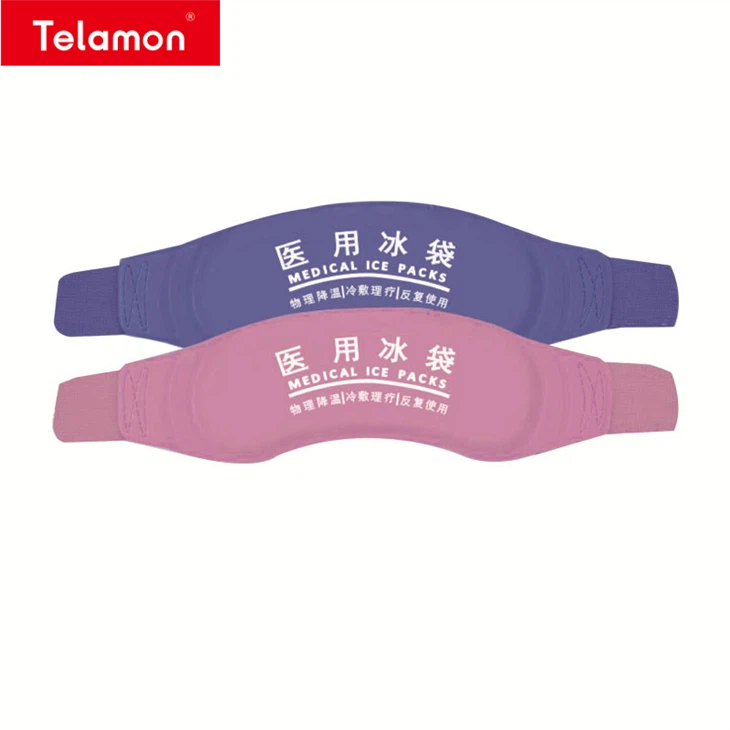
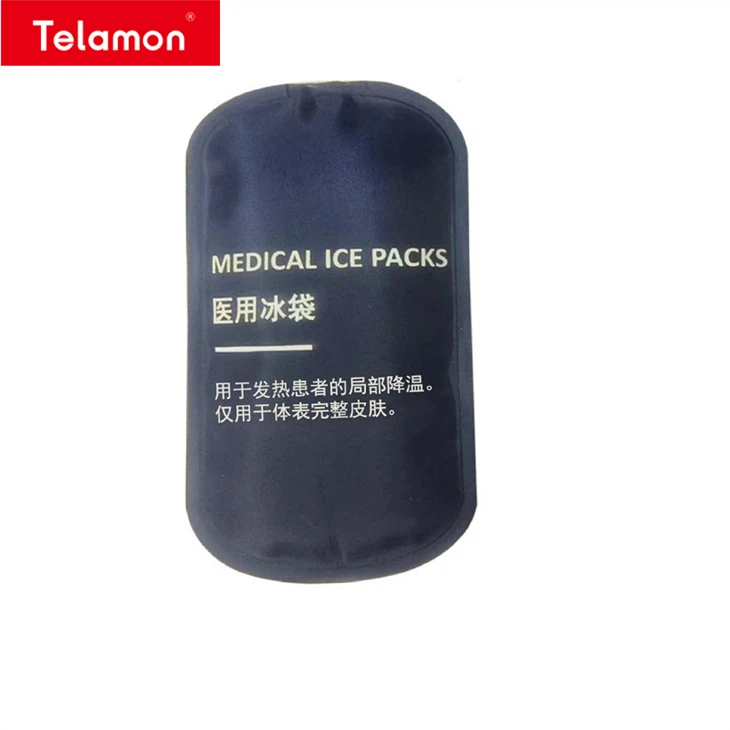
1. Homemade Ice Pack Tip
Fill a plastic bag with ice cubes and cold water (1:2 ratio). It will feel soft and consist of small ice shards. Note: Do not overfill the bag; fill it to 1/2 to 2/3 full to allow for shaping and application to the joint. Make sure to seal the bag tightly to prevent leakage.
2. Remember to use a cloth as a barrier
Do not allow ice cubes to directly contact your skin to avoid frostbite, tingling, or tissue damage. It is recommended to wrap the ice pack in a clean, thin towel to ensure effective cooling and a comfortable fit to the affected area. During the ice application, monitor your skin reaction. If paleness, numbness, or tingling occurs, stop immediately and check to prevent frostbite.
3. Time control is crucial
15-20 minutes each time, with intervals of 1-2 hours. More is not necessarily better; exceeding this time may be counterproductive. During the acute phase (within 48 hours of injury), it is recommended to apply ice every 2 hours, no more than 5 times per day. Once in the recovery phase, this can be reduced to 2-3 times per day to avoid excessive cold stimulation affecting blood circulation.
4. Dynamic Ice Application
For large joints such as the knee and shoulder, move the ice pack slowly to ensure even coverage of the entire joint surface, avoiding localized frostbite or cold spots. This effectively reduces inflammation, relieves pain, and promotes deep tissue penetration. For example, when icering the knee, slowly slide the ice pack from above the patella to the popliteal fossa, maintaining a gentle, circular motion to simulate the joint's natural range of motion.


Hot Tags: practical guide to applying ice, China practical guide to applying ice manufacturers, suppliers, factory, Cold Pack