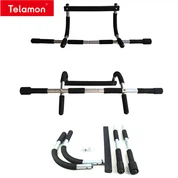
The correct method involves using the chest to "collide" with the bar and ensuring the back remains straight at the highest point to fully activate the latissimus dorsi muscles and effectively recruit back strength.
The third element is core tightening ability.
Many trainees wonder, "What is core tightening ability?"
During a pull-up, the entire body from the waist and abdomen to the thighs and feet should remain tense, with the legs together and toes pointed downward.
This is core tightening.
Whether from the perspective of exercise physiology or sports training, core strength plays an increasingly important role.
If the core is not engaged, the lower body remains relaxed, causing strength to dissipate from the lower limbs during the pull-up, resulting in energy loss.
Therefore, exercises like plank holds and hanging leg raises are also highly beneficial for improving pull-up performance.
Pull-up training requires mastering the "three elements," but the key is consistent, rigorous practice.
It is also important to emphasize smart and scientific training methods to achieve optimal results.
Training method
- Bar hanging exercises.
Bar hanging primarily trains grip strength.
The wrists should be tensed, gripping the bar tightly, and the contact area between the palms and the bar should be maximized.
Each set can last 30–60 seconds, with three sets per session.
After completing the exercise, you should feel a burning sensation in the forearms, indicating that you have activated the brachioradialis muscle.
Once adapted, advanced training can be introduced by wrapping a towel around the bar to increase its diameter, thereby providing deeper stimulation to the forearm muscle group.



Hot Tags: pull up parallel bars, China pull up parallel bars manufacturers, suppliers, factory, pull up bar, Pull Up Bar Doorway, Pull Up Bar Wall Mounted