Materials and Durability
1. Silicone Skirt vs. Rubber
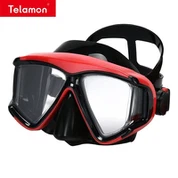
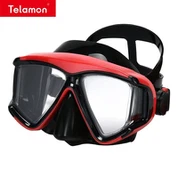
Most modern freediving masks use high-grade silicone for the skirt-the part that creates the seal against your face. Silicone is soft, flexible, durable, and hypoallergenic, making it more comfortable and longer-lasting than older rubber models. While rubber masks may be more affordable, they tend to be less elastic and can degrade faster with exposure to sunlight and saltwater.
2. Lens Material
Lens clarity and safety are important. Tempered glass lenses are highly recommended, as they are resistant to scratches and shattering under pressure, providing both clarity and durability. Plastic lenses are lighter and may cost less but generally lack the optical quality and safety features of tempered glass.
Types and Styles of Freediving Masks
1. Single-Lens vs. Dual-Lens
Single-lens masks offer an uninterrupted field of view, enhancing peripheral vision. Dual-lens designs, on the other hand, often have a lower internal volume and are easier for some divers to equalize. Both styles can be effective, depending on personal preference and facial structure.
2. Frameless Masks
Frameless masks integrate the skirt directly with the lens, reducing bulk and weight. They are highly flexible and can conform better to different face shapes. This lightweight design also reduces drag in the water, making them a popular choice among experienced freedivers.
3. Skirt Color Options
Transparent skirts allow more ambient light into the mask, improving visibility in low-light conditions. Colored or opaque skirts help reduce glare and distractions, which can be beneficial in bright, sunlit environments. The choice depends on your typical diving conditions and personal comfort preferences.


Hot Tags: professional diving mask, China professional diving mask manufacturers, suppliers, factory, diving mask