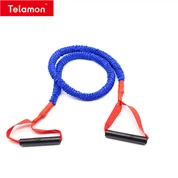
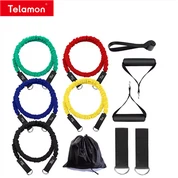
Three Key Reasons Why TPE Is Gradually Replacing Traditional Rubber and PVC Resistance Bands
In the early days, the mainstream materials for resistance bands on the market were natural rubber and standard PVC elastic tubing. Today, major brands are switching to TPE material, driven by three key advantages that are unrelated to cost:
1. Stable tensile performance; resistant to deformation from repeated stretching. Fitness and rehabilitation training require high-frequency, repetitive stretching movements; inferior tubing is highly prone to failing to retract fully after stretching, permanent elongation, or even outright breakage. TPE's controllable molecular elastic structure ensures a stable tensile range; its rebound force remains consistent after repeated stretching, with minimal tensile deformation, making it far more suitable for professional, high-intensity training scenarios than natural rubber.
2. Low odour and non-irritating, ensuring greater safety for close-to-the-body use. Resistance bands are equipment that comes into frequent close contact with the body; they are gripped by the hands for extended periods during training, and rehabilitation patients may also use them in contact with their limbs. In enclosed indoor environments, unpleasant odours can significantly impair the user experience. Traditional rubber releases a pungent, plastic-like odour after vulcanisation, whilst PVC materials are prone to leaching harmful substances at high temperatures; TPE formulations can achieve low VOC levels and are free from irritating odours, ensuring no unpleasant smells are produced during use at home or in physiotherapy rooms, and posing no risk of skin sensitisation.
3. Suitable for continuous extrusion mass production, ensuring strong batch consistency. Resistance bands are produced via continuous extrusion of long strips, with strict production requirements regarding wall thickness, total length and uniformity of elasticity. TPE offers stable flow properties and is well-suited to high-speed continuous extrusion processes. Tubes from the same batch exhibit minimal wall thickness variation and consistent length, whilst differences in elasticity between production batches are negligible. This facilitates standardised quality control for brands and ensures consistent quality across large-scale shipments.
Three Core Indicators for Assessing High-Quality TPE Tension Tubes
When selecting raw materials or finished tubing, simply focus on these three key performance parameters:
Tensile strength: Resistant to breakage within the maximum tensile range; will not burst during high-intensity training.
Elastic recovery rate: After being stretched to a standard multiple of its original length and released, it rapidly returns to its original length without permanent elongation or slackening.
Fatigue resistance: After tens of thousands of repeated stretches, there is no significant decline in elasticity, and the tubing is unlikely to become stiff or discoloured.
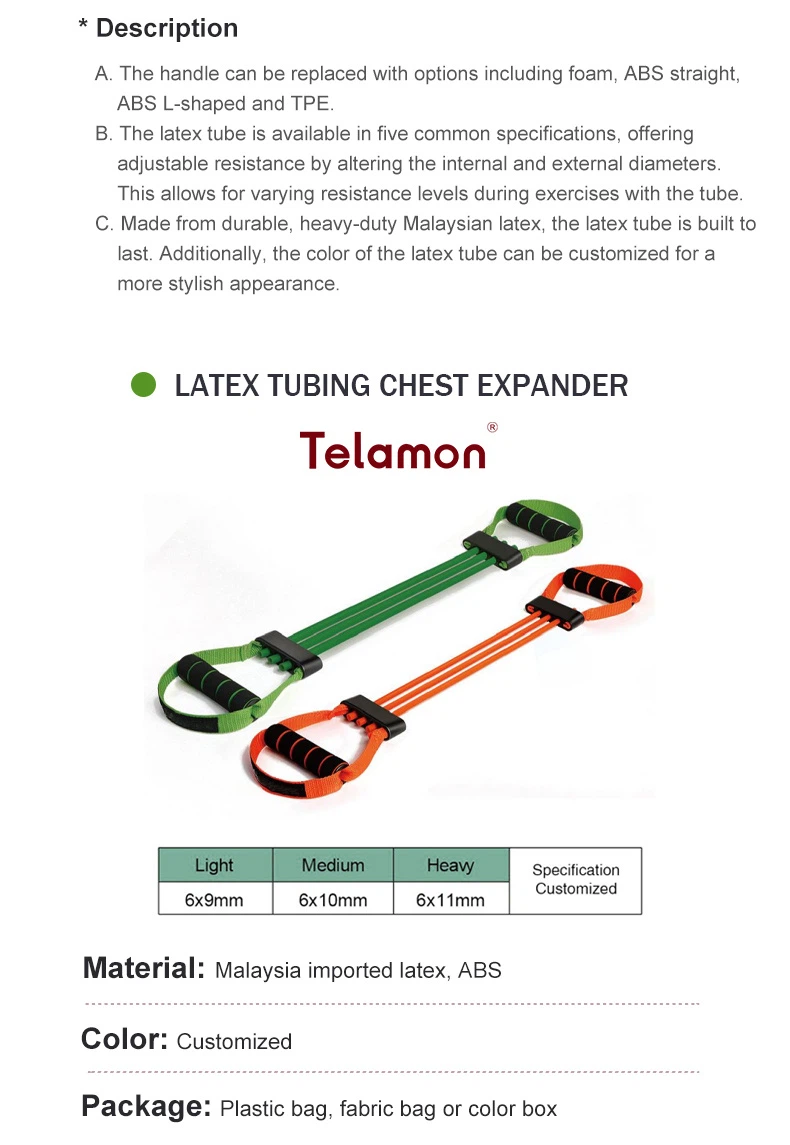
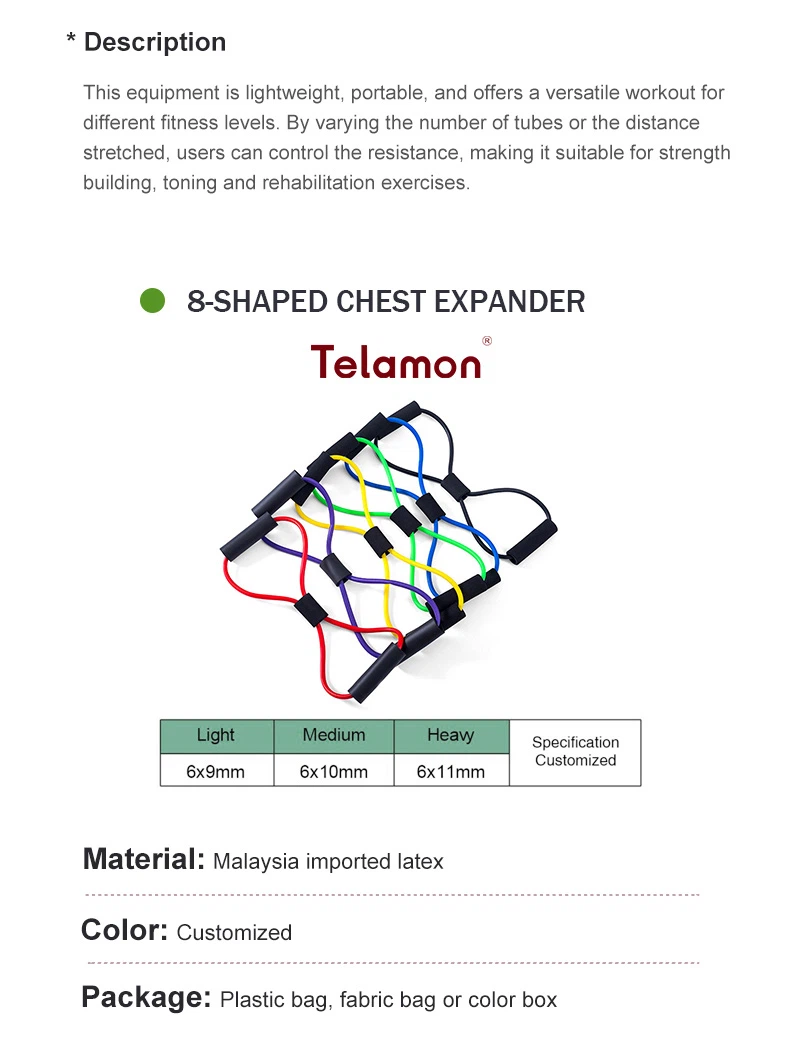
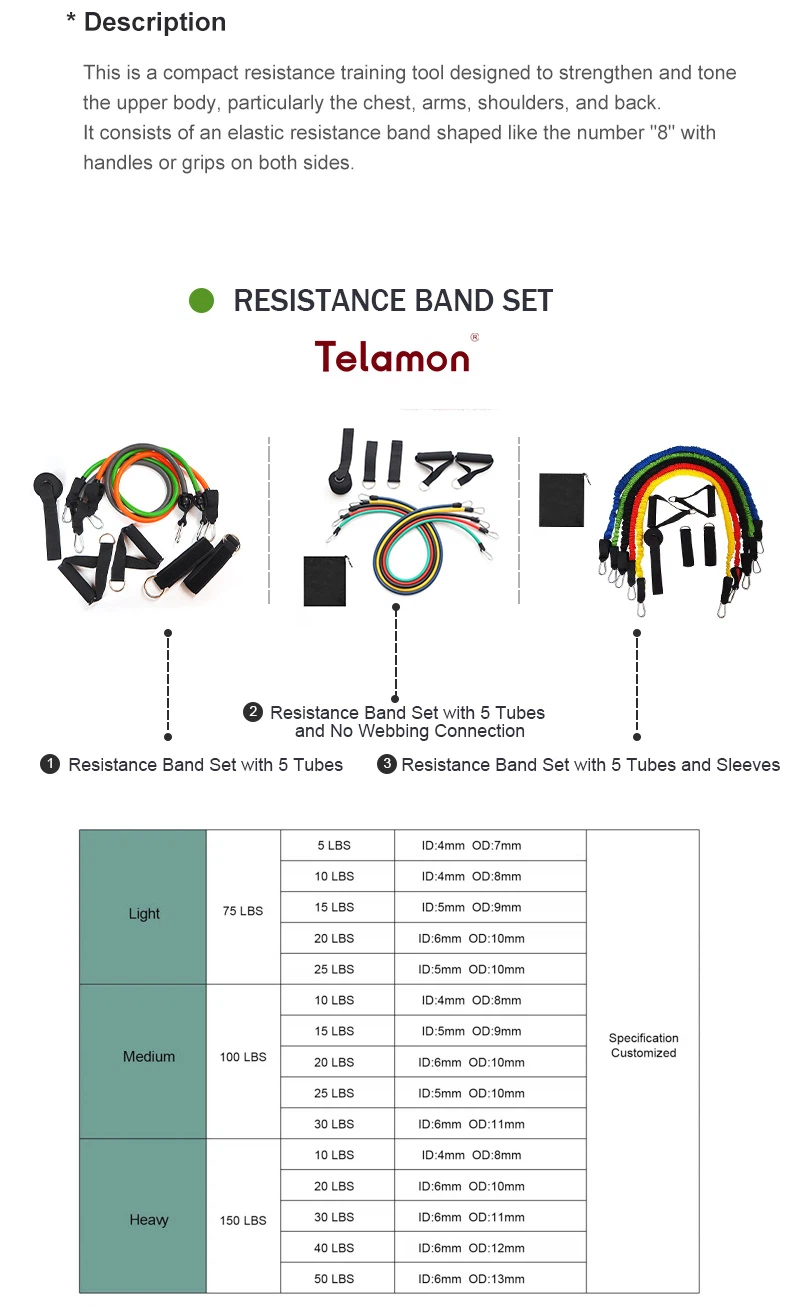


Hot Tags: tpe resistance tubes, China tpe resistance tubes manufacturers, suppliers, factory, Elastic Resistance Tube