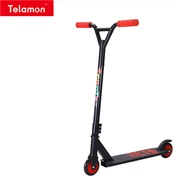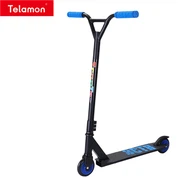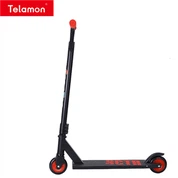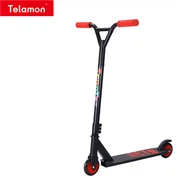

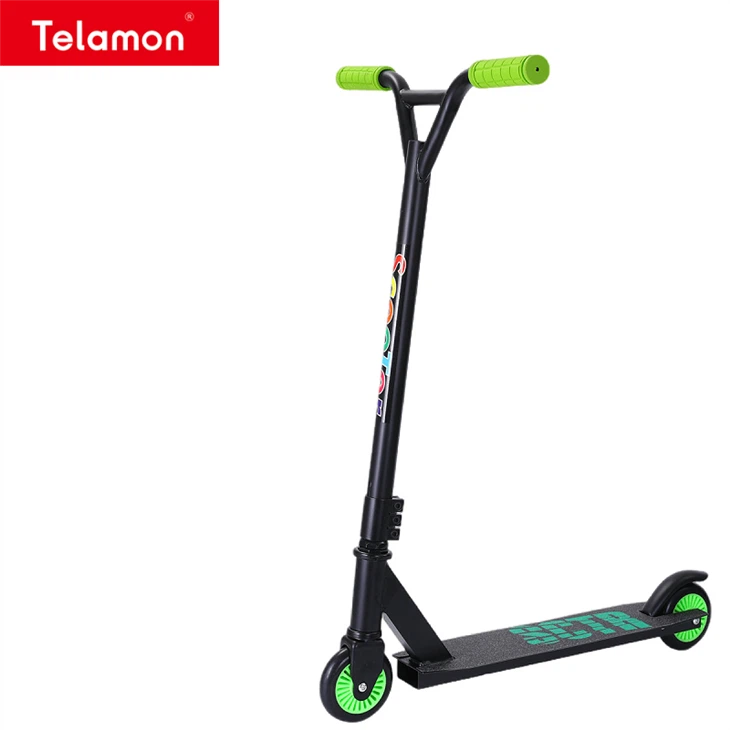

Scooters themselves are not a new invention.
Antique wooden scooters have been found dating back 100 years, but the transformation of the humble children's scooter from a toy into a professional sport is a recent development.
Over time, stunt scooters have successfully transformed from being ridiculed by other sports in skate parks to gaining a foothold.
Key evolutions in scooter design have differentiated them from children's toys and extreme sports equipment, laying the groundwork for stunt scooters to become a professional extreme sport.
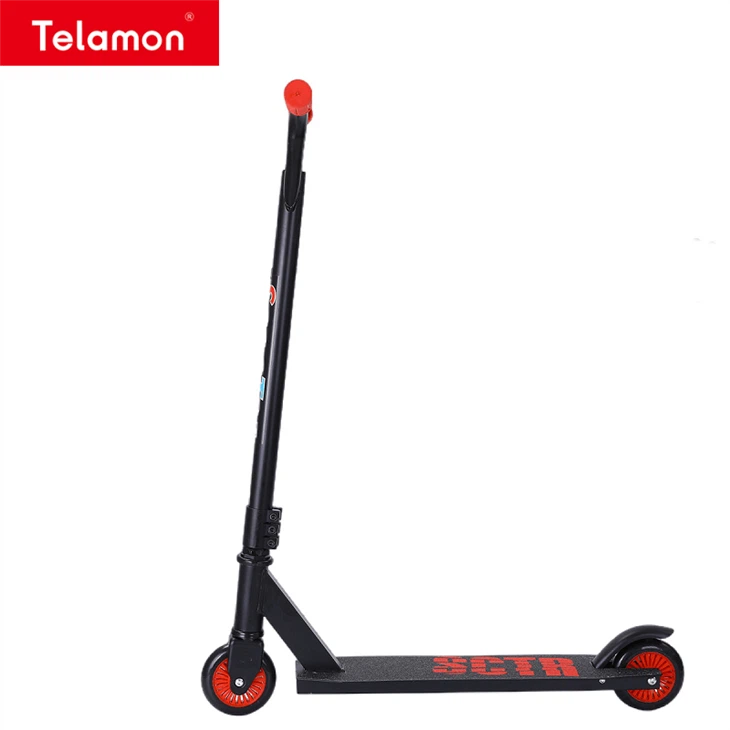
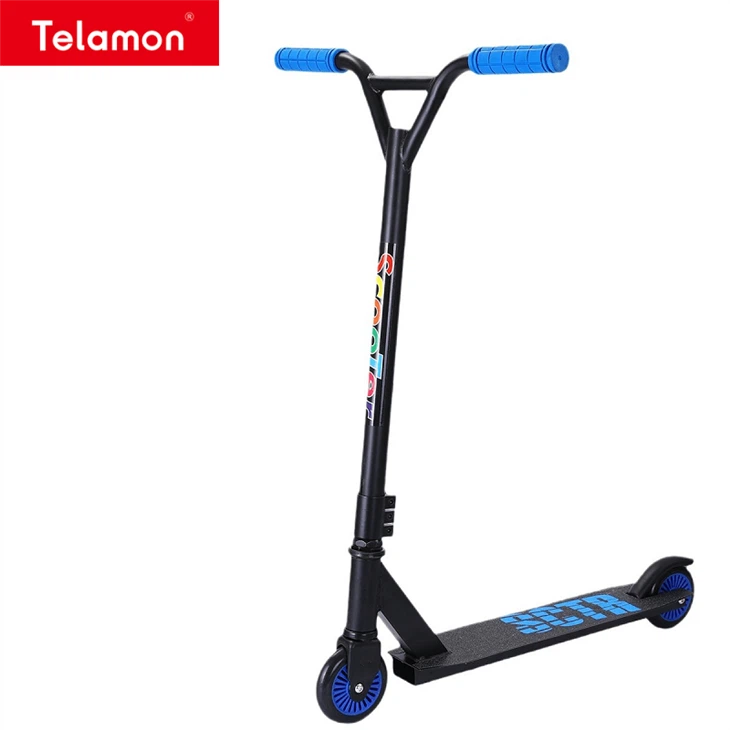
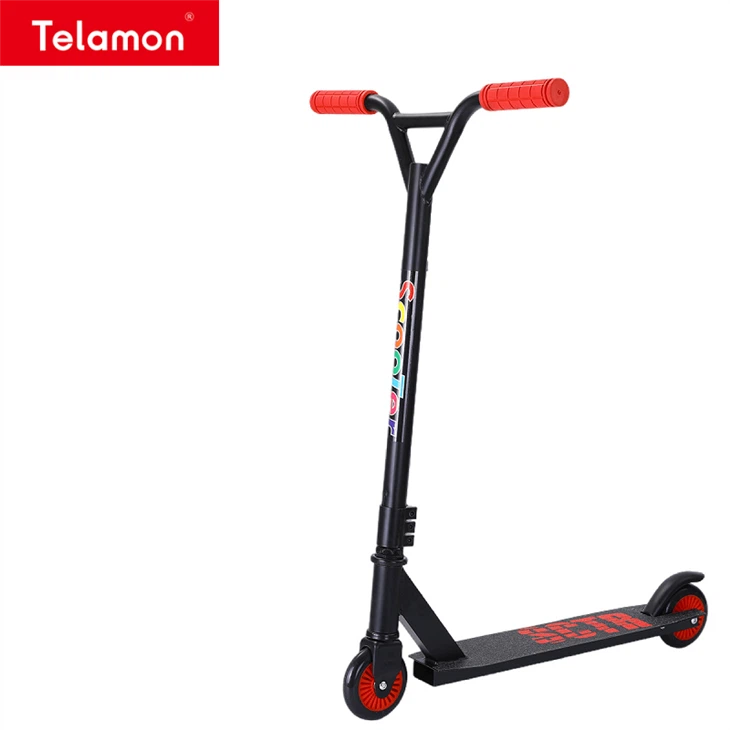
Stunt scooters do not have a folding mechanism.
Folding mechanisms have significant weaknesses, so fixing the handlebars and making them a single piece is beneficial for overall strength.
This type of handlebar is mostly made of 4130 Chromoly or 6061 aluminum, and is very strong and lightweight; the choice of material depends on the brand's design. Handlebars designed for extreme conditions are often welded and may have gussets to make them sturdy without adding extra weight.
High-end forks are now often unthreaded. This allows stunt scooters to have a compression system that keeps the scooter stick on the forklift and wheels, resulting in greater power and stability. Threaded forks, as seen on cheaper models, tend to wobble more and are less robust.
Traditionally, regular scooter wheels have a plastic core with a urethane outer layer. However, these are often stuck in the middle, so metal-core wheels for stunt scooters came into production as a more advantageous alternative. They are typically made of double-machined aluminum and double polyurethane tires.
In addition to the basic components that now define a reliable stunt scooter, there are many accessories available.


Hot Tags: stunt scooters history, China stunt scooters history manufacturers, suppliers, factory, Fast Scooter, scooter, stunt scooter