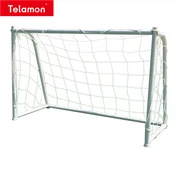


For adult professional matches:
Width: 7.32 meters (24 feet)
Height: 2.44 meters (8 feet)
Depth (optional net space): ~1.5 to 2 meters
For youth games, goal sizes vary based on age group. Examples:
U6–U8: ~1.83 m x 3.66 m (6' x 12')
U9–U12: ~2.13 m x 4.88 m (7' x 16')
🧱 Materials
Frame: Usually made of aluminum, steel, or PVC (for portable or training goals)
Net: Typically polyethylene or nylon
⚙️ Types of Soccer Goals
Permanent Goals: Installed in stadiums or official fields, anchored into the ground.
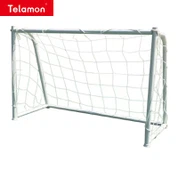
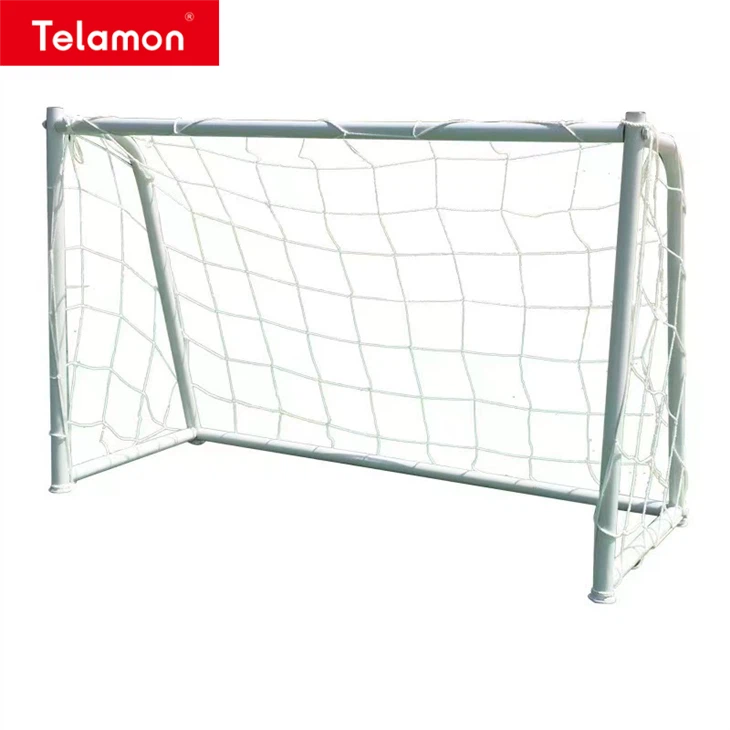
Portable Goals: Lightweight and movable, often used for training or youth leagues.
Pop-up Goals: Collapsible and ultra-portable, good for backyard or casual play.
Futsal Goals: Smaller size (3m x 2m), used indoors.
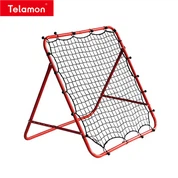
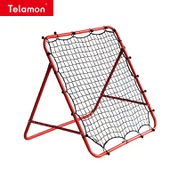
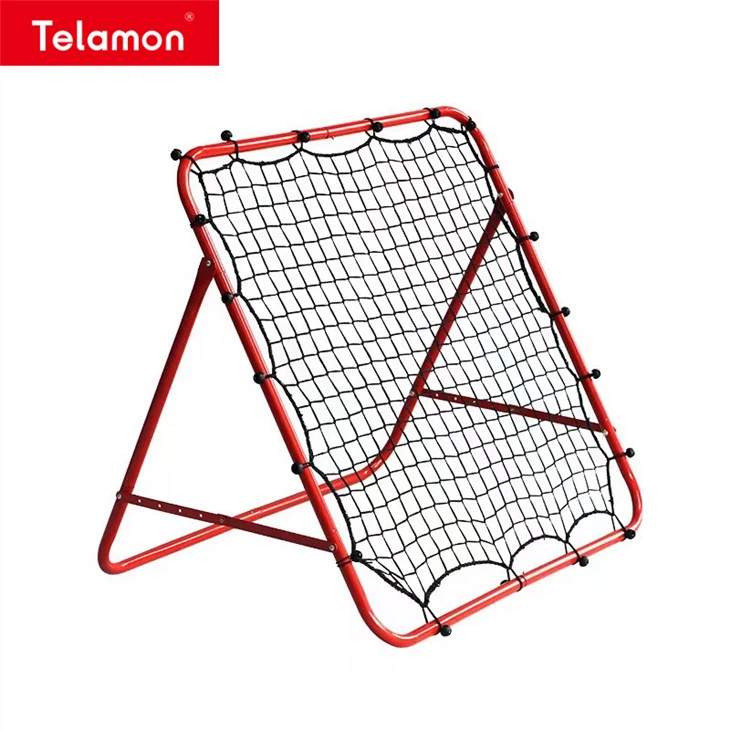
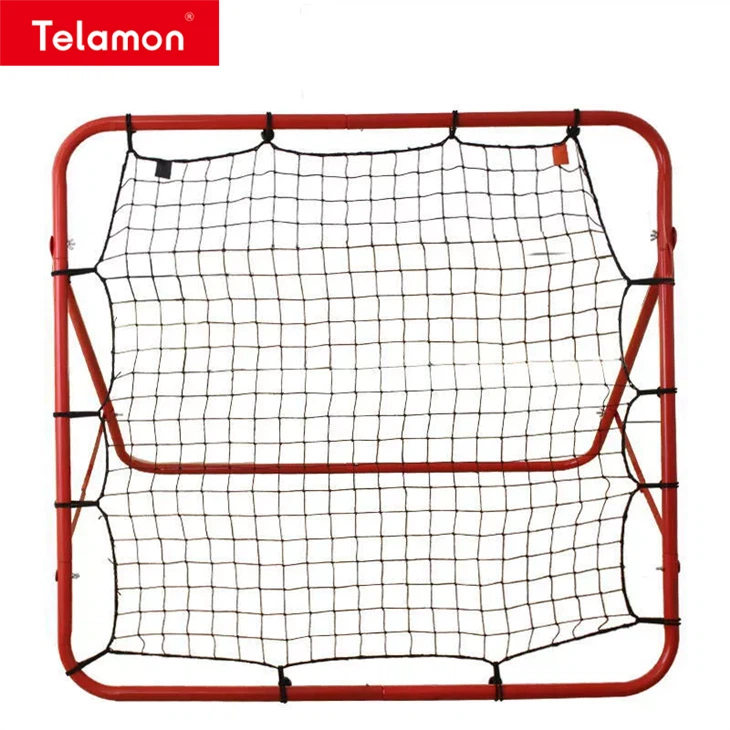
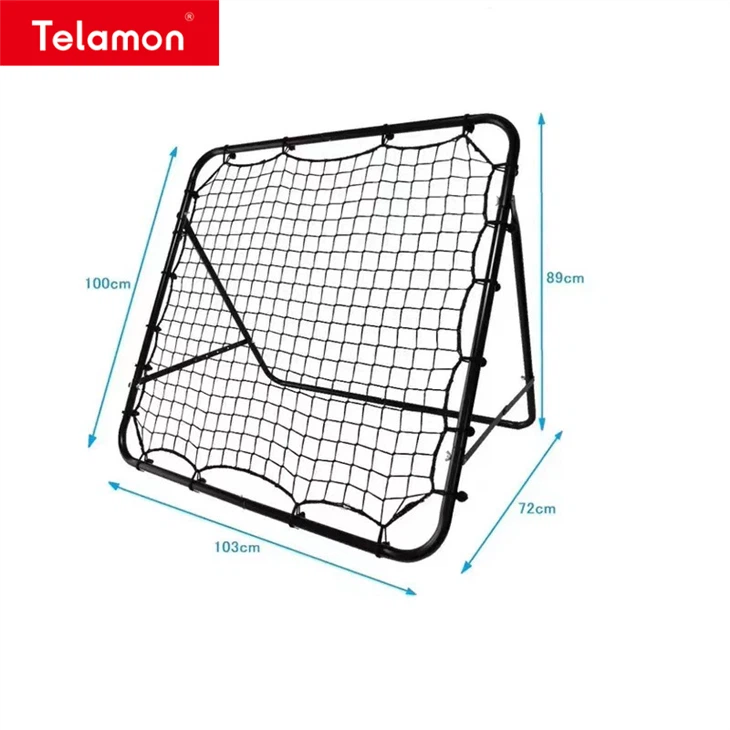
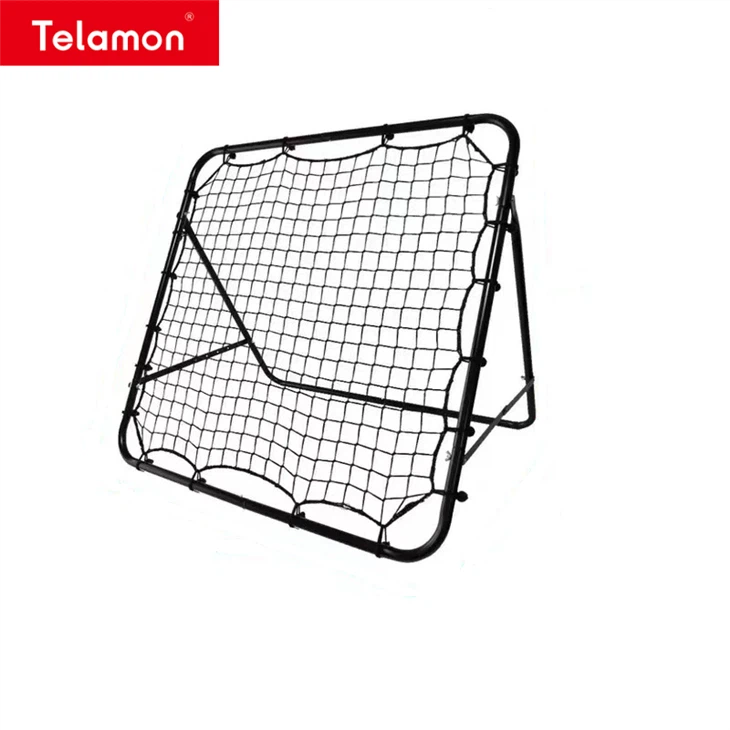
Training Goals: May include rebound nets or targets for skill development.
⚠️ Safety Standards
Soccer goals must be:
Properly anchored (to avoid tipping over)
Made with rounded edges
Free from rust or sharp parts
FIFA and other bodies mandate that goals be secure and stable, especially in youth settings where injuries from tipping goals have occurred.
🔧 Additional Features
Wheels: On portable goals for easier movement
Padding: On posts and crossbar for player safety
Goal-line technology: Sensors and cameras in professional matches to verify goals
🏆 Fun Fact
The soccer goal has evolved over time-from a simple pair of sticks in the 19th century to today's high-tech structures with net tension systems and even automatic goal detection systems in elite matches.


Hot Tags: small soccer goals, China small soccer goals manufacturers, suppliers, factory, Portable Soccer Goals