


How to Choose a Shoulder Brace
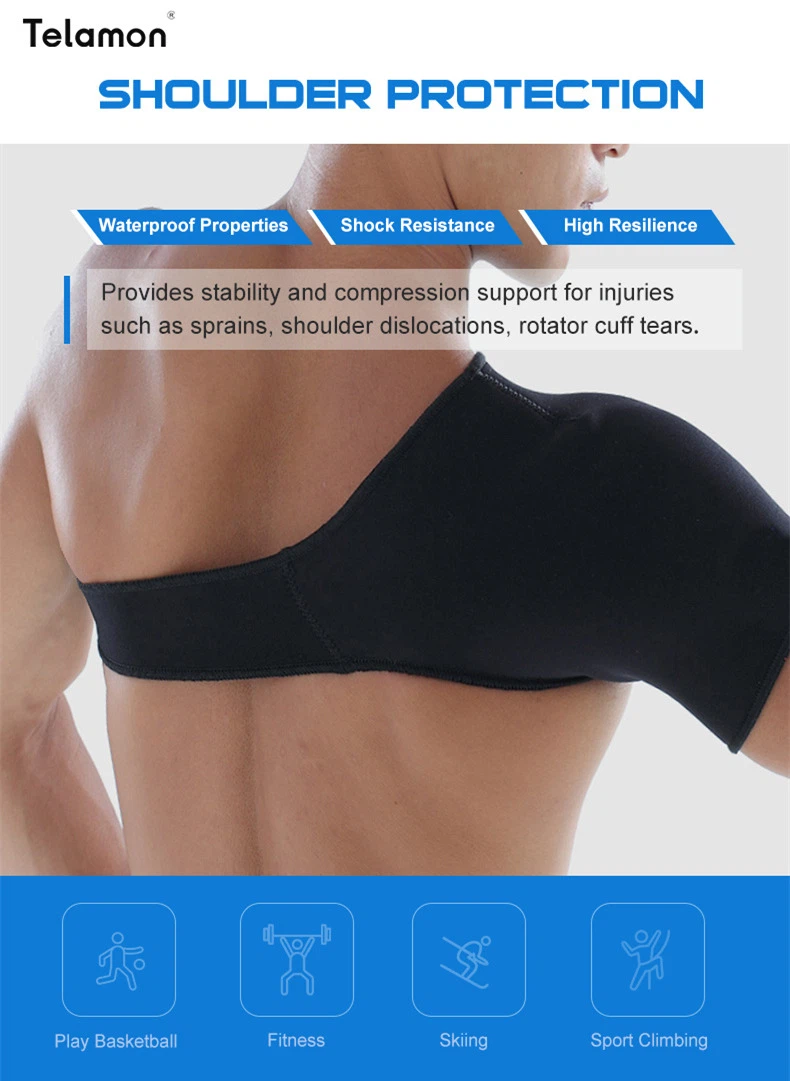
When the shoulder joint is injured, it may be necessary to wear a shoulder brace. With several types currently available on the market, when should you choose one, and how should you go about selecting it?
Whether or not to wear a shoulder brace depends on whether you have any of the following needs:
Sports protection: typically worn during sports such as rugby or tennis to prevent injury;
Recovery from a shoulder injury: worn to provide stabilisation;
As a support strap during hot or cold therapy for the shoulder joint;
Shoulder conditions such as rotator cuff injuries or capsular contracture.
What type of shoulder brace should you choose?
Shoulder Stabilisation Brace
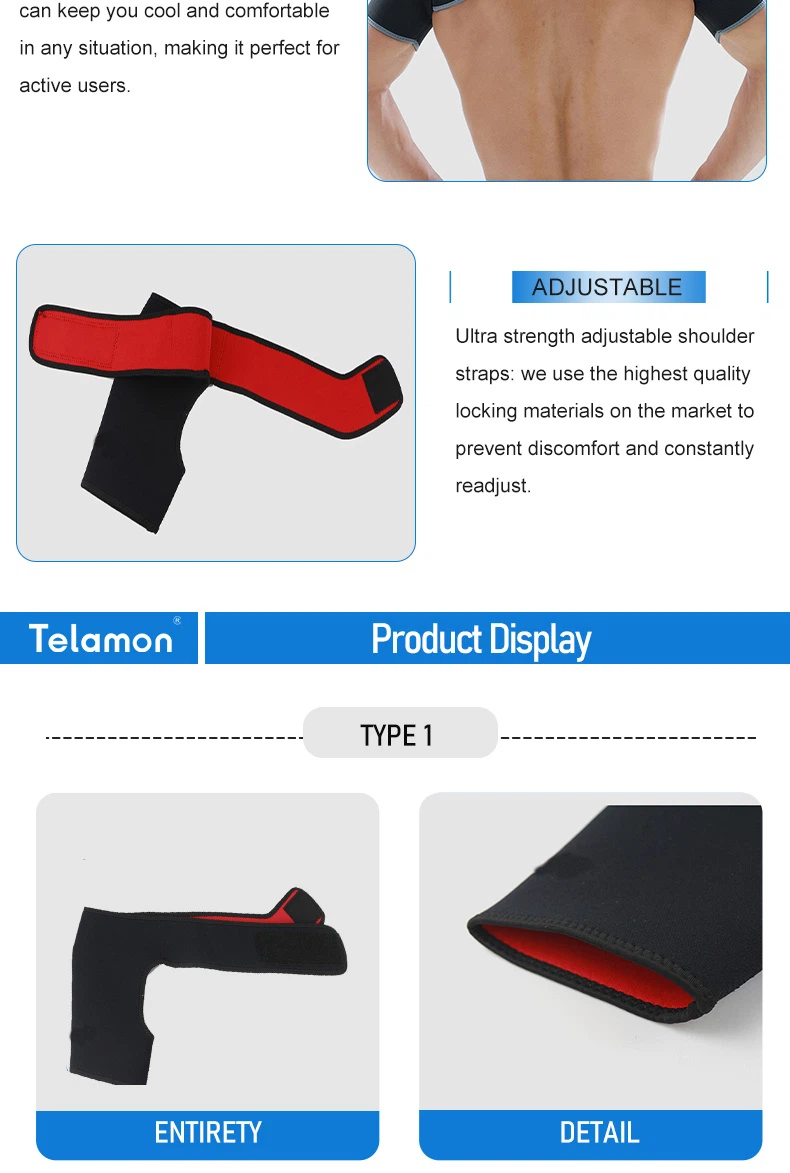
Characterised by excellent stabilisation and a design featuring multiple reinforced elastic straps.
Suitable for:
Athletes or patients requiring assistance with the gradual restoration of physical function;
Patients with shoulder injuries requiring firm stabilisation of the shoulder joint;
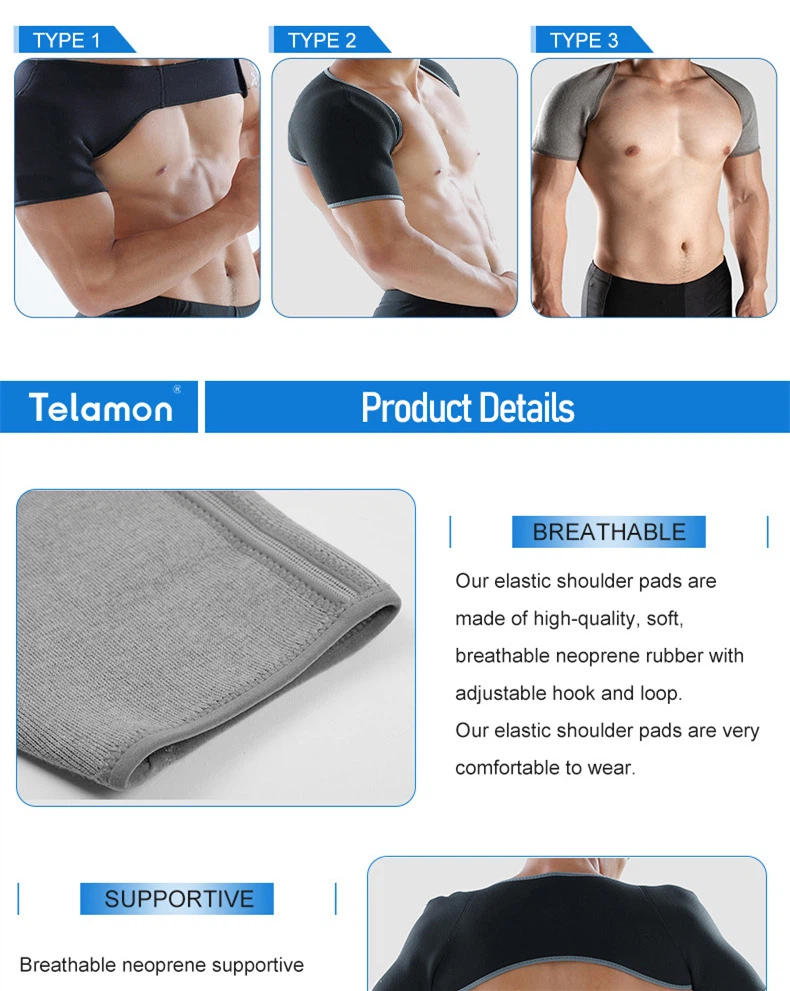
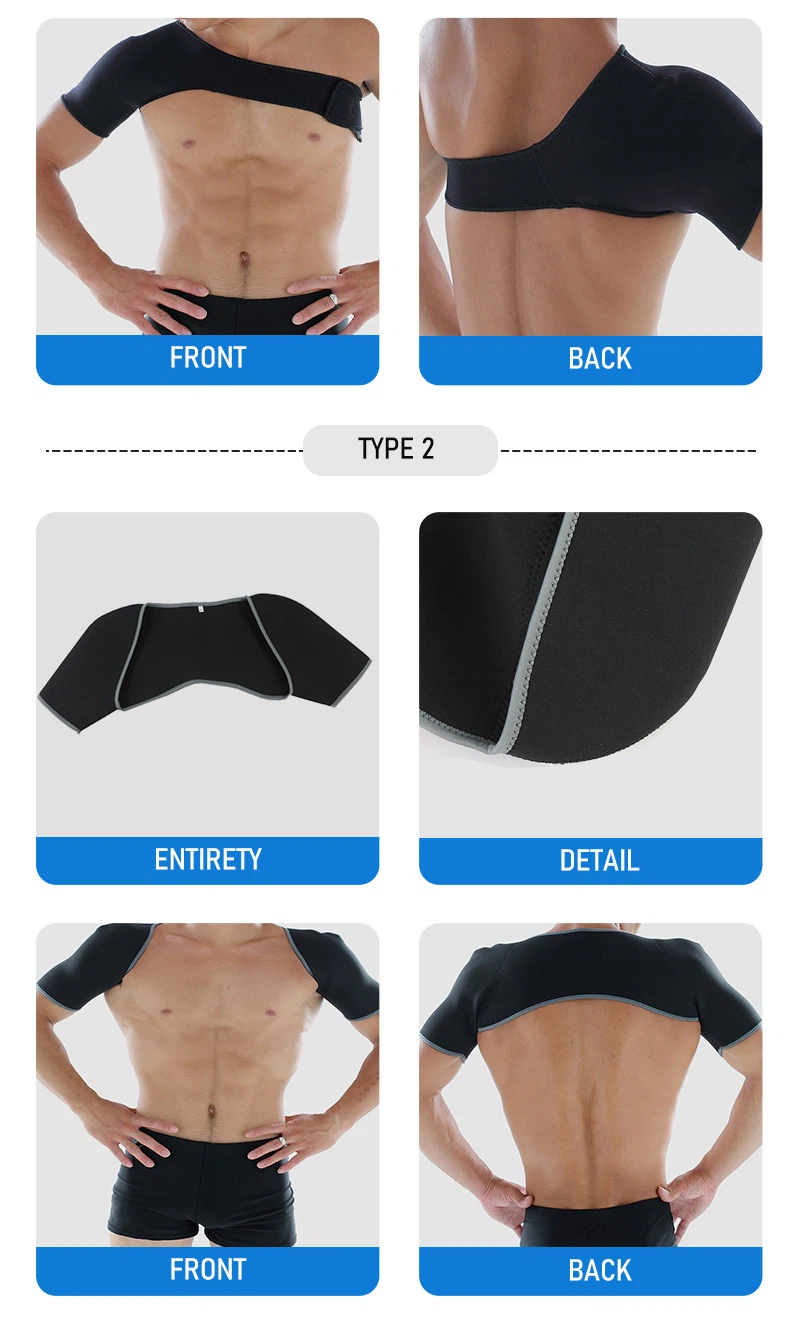
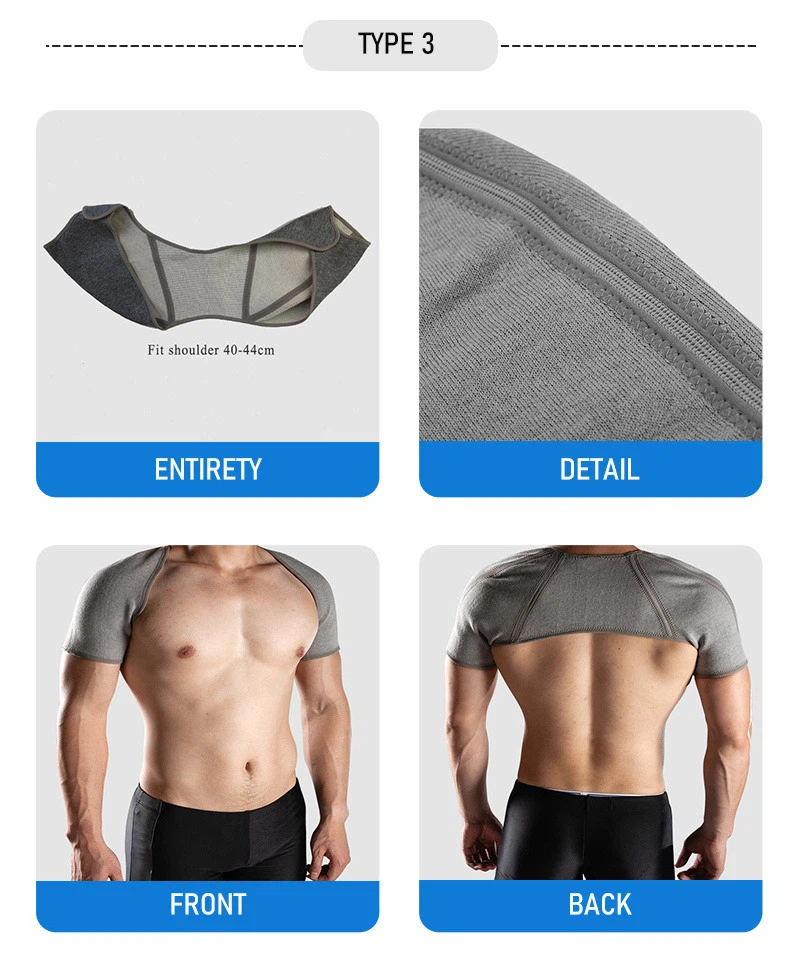
Cotton shoulder support sleeves
Characterised by moderate stabilisation and minimal restriction of movement.
Suitable for:
Shoulder tendinitis
Shoulder pain
Shoulder instability
Athletes with old shoulder injuries who still need to compete
Cold and heat therapy straps
Designed to secure ice packs or heat packs during cold or heat therapy; not recommended for shoulder joint protection or immobilisation.
Shoulder Abduction Brace
Characterised by breathability and stability, it is widely used.
Indications:
1. Rotator cuff injuries and repair
2. Capsular contracture
3. Bankha repair
4. Shoulder dislocation, soft tissue injuries and repairs
Finally, we would like to remind everyone that long-term use of braces is not recommended, as it can lead to joint dependency, resulting in disuse weakness and muscle atrophy.


Hot Tags: fitness shoulder pads, China fitness shoulder pads manufacturers, suppliers, factory, Shoulder Pads


