Common Longboard Types and Their Characteristics, Functions, and Uses
High-Performance Longboards (HPLBs): HPLBs are thin and lightweight surfboards, made of lightweight yet strong materials. They are the thinnest type of surfboard. They are highly maneuverable and easy to turn.
Pros: High maneuverability and portability.
Cons: High price.
All-Rounder: All-Rounder boards are wider and thicker than HPLBs, providing better stability and greater flotation, allowing surfers to surf smaller waves.
Pros: Faster glide speeds, allowing for surfing smaller waves.
Cons: Heavy weight.
Nose rider: Nose riders have a wider and thicker nose, made of lightweight materials, allowing surfers to easily walk or stand on the nose.
Pros: Provides more enjoyable longboarding.
Traditional Longboard: Traditional longboards once referred to wooden surfboards, but now generally refer to extra-wide and thick surfboards. Their bulkiness gives traditional longboards excellent stability.
Pros: Extremely stable, suitable for beginners.
Cons: Heavy, difficult to carry, and lacks maneuverability.
Softboard: Softboards, also known as soft-top surfboards, are used for beginners. Their foam exterior provides relative safety. The entire foam board is quite heavy.
Pros: Extremely stable, safer than a hardboard.
Cons: Heavy, difficult to carry, and lacks maneuverability.
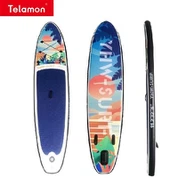
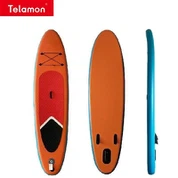
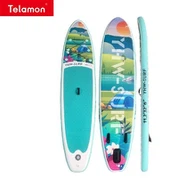
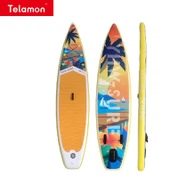
Stand-Up Paddleboard (SUP): A stand-up paddleboard allows the surfer to stand on the board and paddle.
SUPs come in both inflatable and self-contained styles, with inflatable SUPs being more portable.
Pros: Suitable for water recreation, even on calm lakes.
Cons: Difficult to carry and difficult to maneuver.


Hot Tags: custom surfboard design, China custom surfboard design manufacturers, suppliers, factory, Surfboards Surfing, universal surfboards