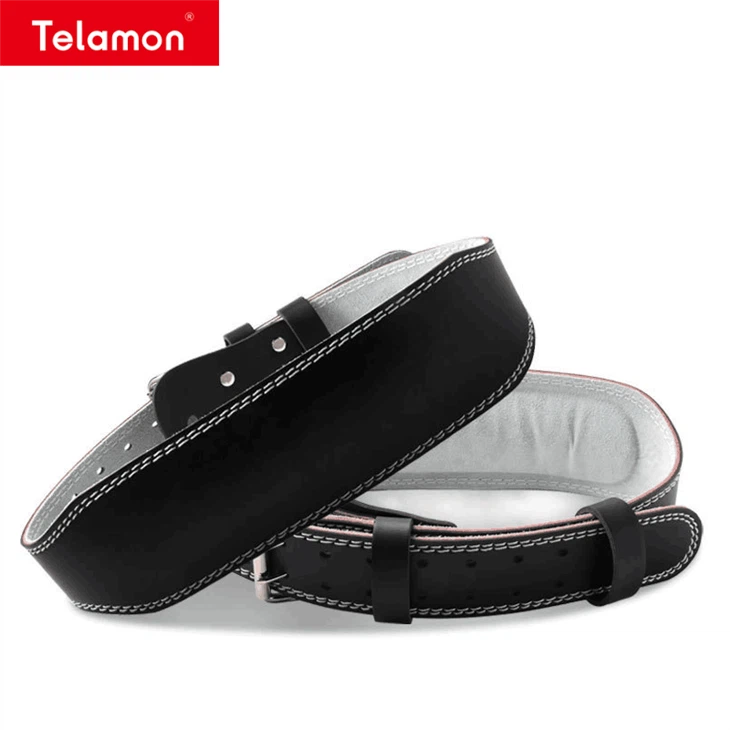

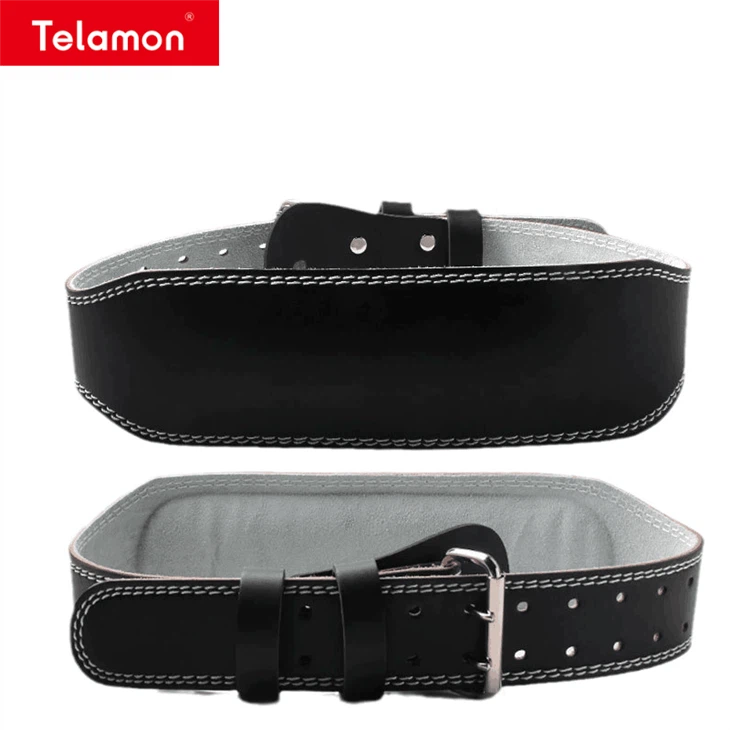
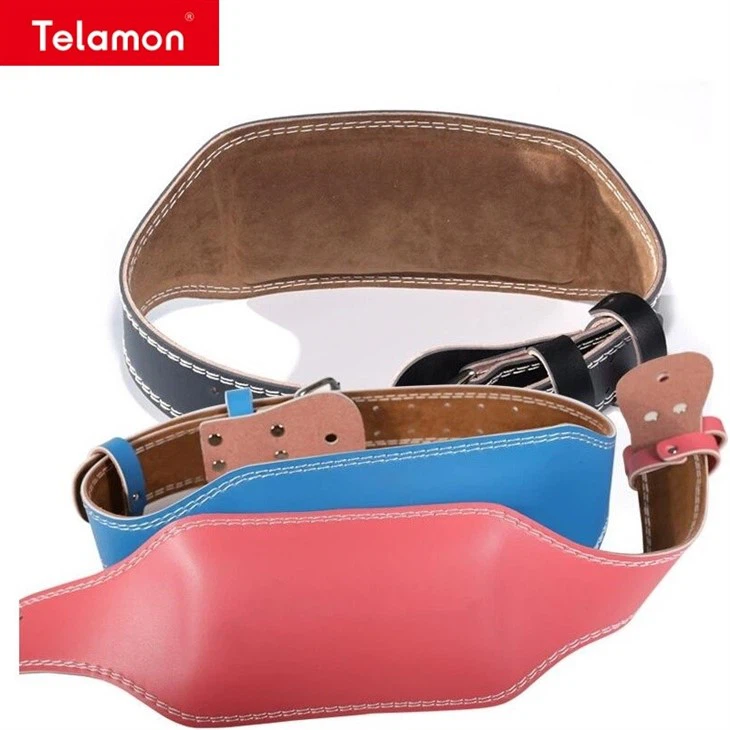
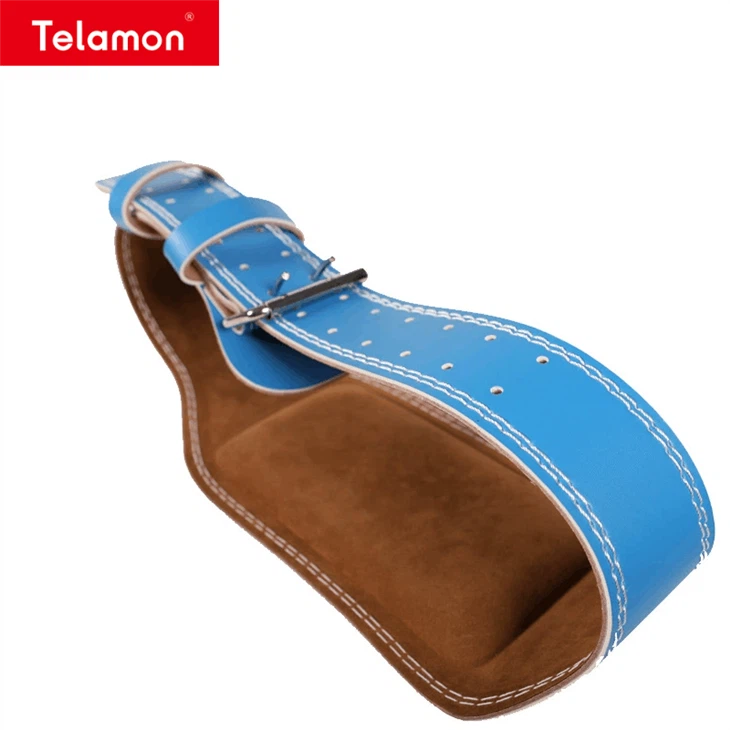
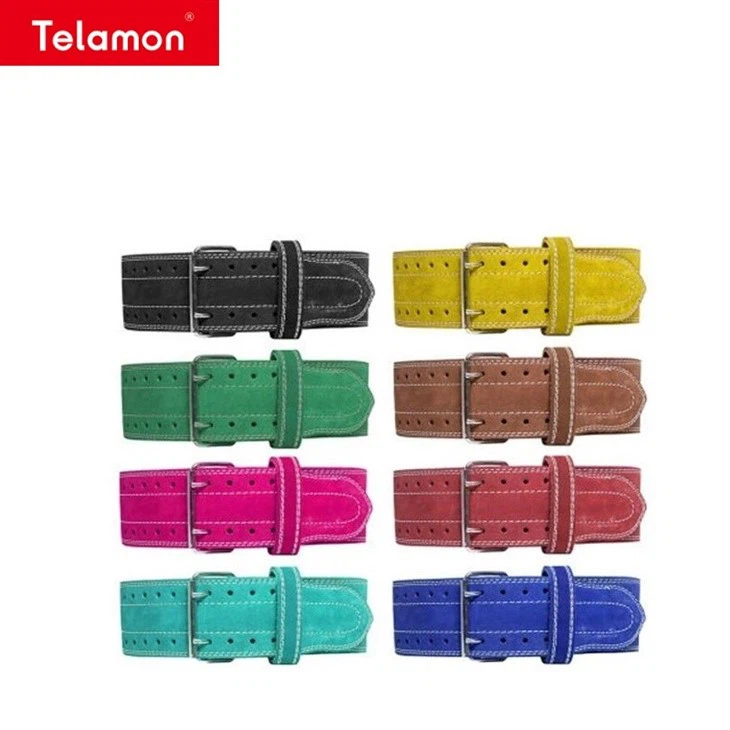
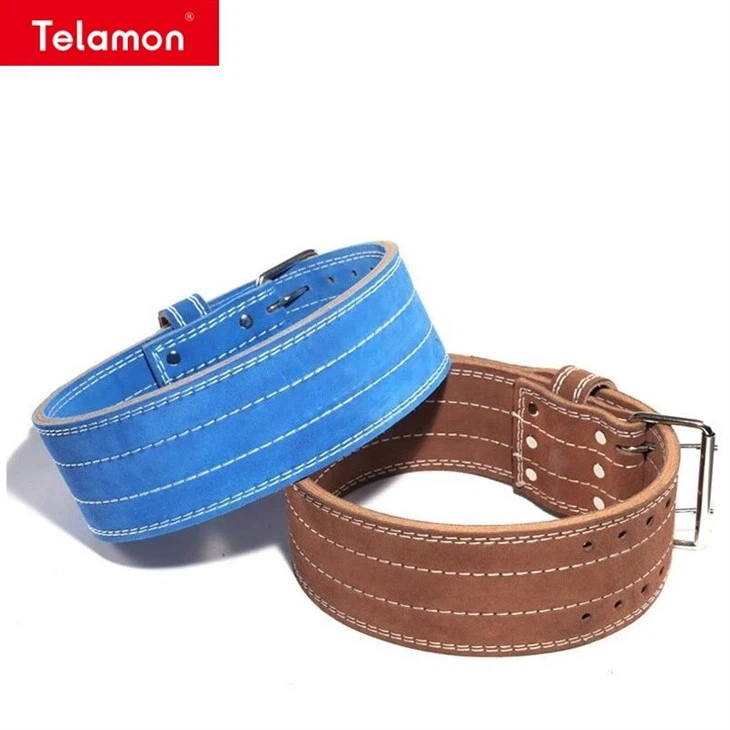

Rigid Weightlifting Belt
Typically made of multiple layers of leather or high-strength materials, it is highly rigid and exhibits minimal deformation. In studies, it has shown the most significant effect in reducing lumbar lordosis angle, particularly during squatting exercises.
This indicates that a rigid belt provides stronger physical support and is more suitable for heavy weight, low-repetition training scenarios, especially compound movements like squats and deadlifts that place significant stress on the lumbar spine.
Flexible Weightlifting Belt
Usually made of materials such as nylon and polyester fiber, it possesses a certain degree of elasticity. While it can also improve lumbar posture, its effect is weaker than that of a rigid belt. However, its higher flexibility and less interference with breathing and core muscle contraction may make it more suitable for moderate to high-intensity, higher-repetition training, or as a transitional piece of equipment for beginners learning proper force application patterns.
Therefore, when choosing a weightlifting belt, you should match it to your personal training level, exercise type, and load intensity.
① For advanced lifters pursuing maximum weight, a rigid belt is a more reliable choice;
② For those with moderate training loads or who are in the process of refining their technique, a flexible belt can provide effective protection and feedback.
No Significant Impact on Abdominal Muscles and Movement Rhythm
Contrary to some previous beliefs, this study did not find a significant impact of the belt on the activity of the rectus abdominis and external oblique muscles.
At the same time, wearing a belt did not change the speed at which the wearer completed the movements, indicating that the support provided by a properly fitted belt did not interfere with the athlete's own movement rhythm.
Suitable Users and Usage Recommendations
Beginners: Should prioritize learning correct movement patterns and breathing techniques (such as the Valsalva maneuver) without a belt. Once their technique is stable and they begin using moderate weights, they can consider using a flexible belt to help them feel core stability, but they should avoid over-reliance.
Individuals in rehabilitation or with lower back discomfort: It is recommended to consult a doctor or physical therapist before using a belt. The belt can be used as a short-term aid, but long-term improvement still requires strengthening deep stabilizing muscles (such as the multifidus and transversus abdominis).


Hot Tags: different types of weightlifting belts, China different types of weightlifting belts manufacturers, suppliers, factory, latch weight lifting belt, Self Locking Weight Lifting Belt