





Fitzgerald suggests, "Start with walking first, then progress to light running once you've adapted." Additionally, avoid weighted training on recovery days, as the body needs rest at that time. Beutel also recommends starting with strength training to ensure your joints and muscles are prepared to handle the additional load. Before running with a weighted vest, it is best to clarify your training goals-whether it is to improve speed, increase mileage, or prepare for an upcoming race.
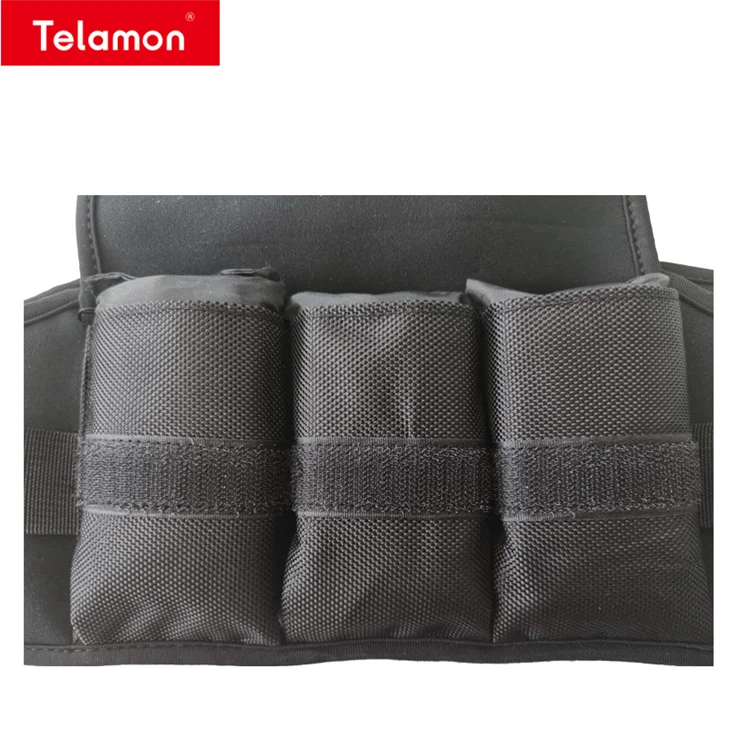
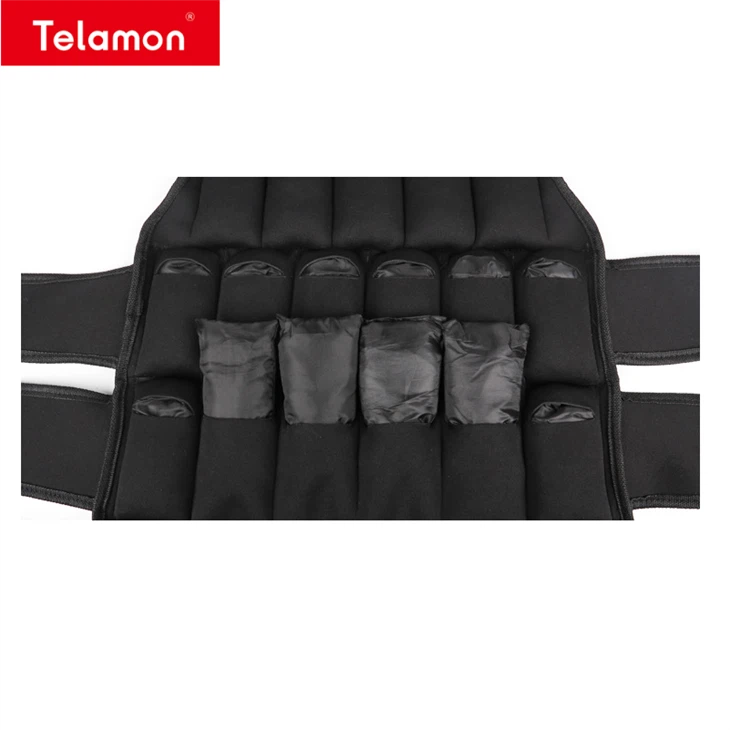
04 How to choose the appropriate weight? Start with a lighter vest to allow your body to gradually adapt to the weight. Santucci recommends starting with 10 pounds and gradually increasing the weight. If your goal is to increase strength, you can gradually increase to 14 pounds (for women) or 20 pounds (for men). Forzaglia recommends using a vest with adjustable weights, gradually increasing the load until you feel more comfortable. The frequency of wearing a weighted vest for running each week depends on your goals. Generally, a few times a week is sufficient. Beutel emphasizes that slowly adapting to new weight challenges is key, as overtraining may lead to an inability to sustain training.
05 Summary Running with a weighted vest can improve endurance, increase strength, and reduce the risk of injury, but it requires gradual progression to avoid injuries caused by excessive weight. If you are ready to try it, adjust the weight and frequency according to your goals, physical condition, and training plan, and gradually adapt to avoid overtraining.


Hot Tags: 40 kg weighted vest, China 40 kg weighted vest manufacturers, suppliers, factory, weight series, weight vest, Weight Vest Fitness, Weighted Vest For Men