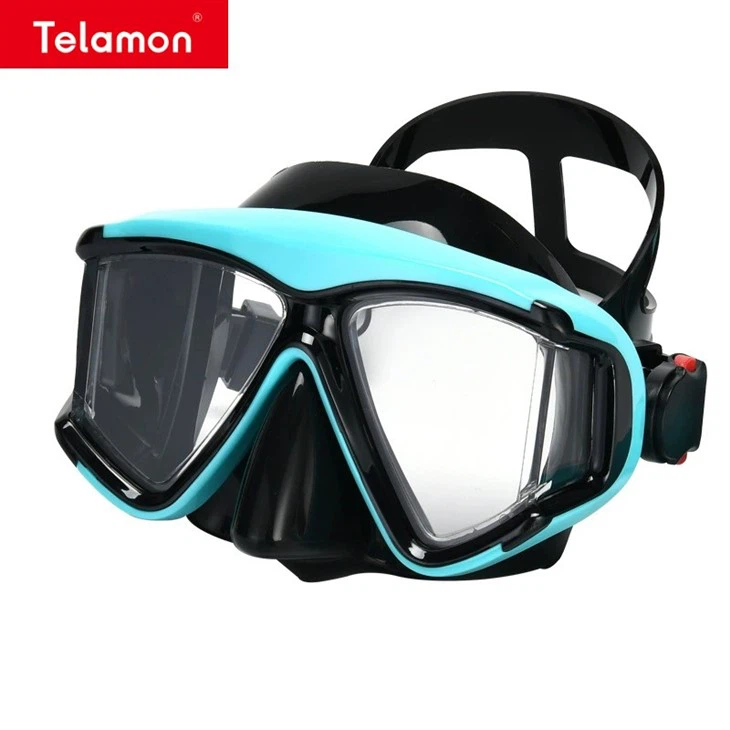

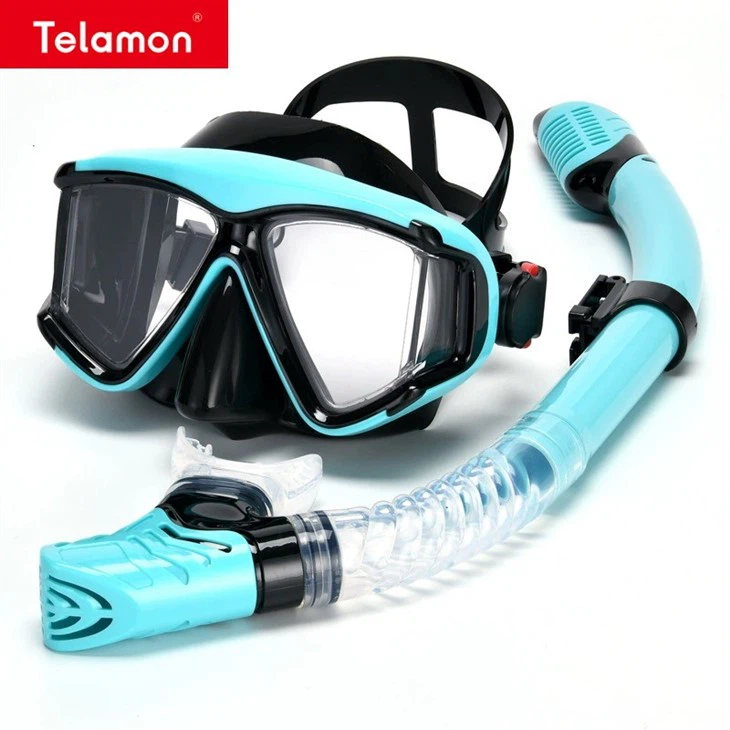
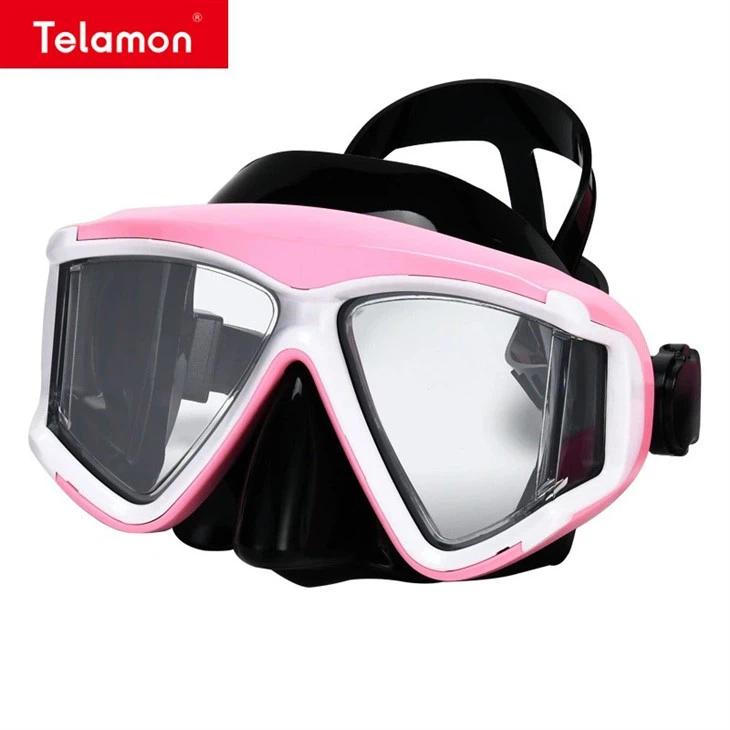
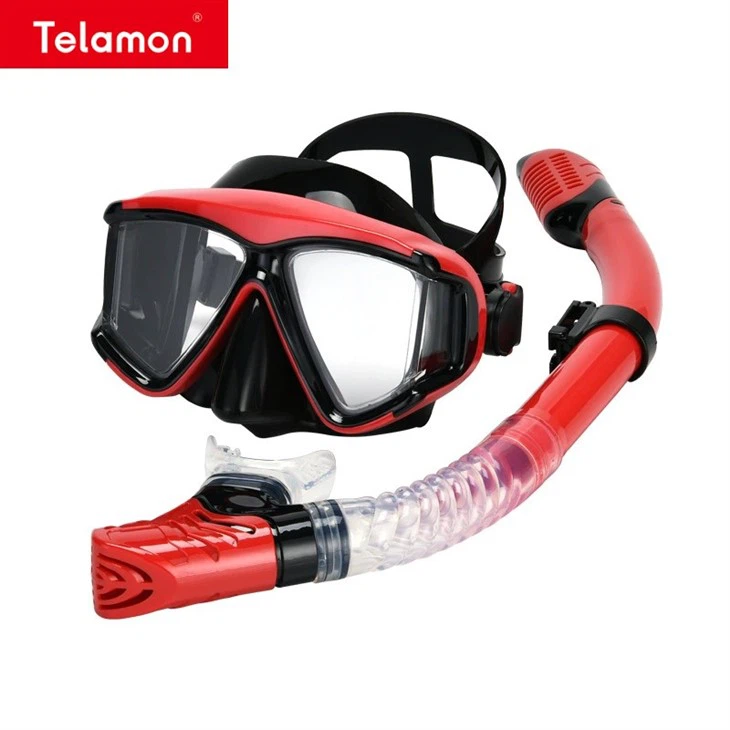
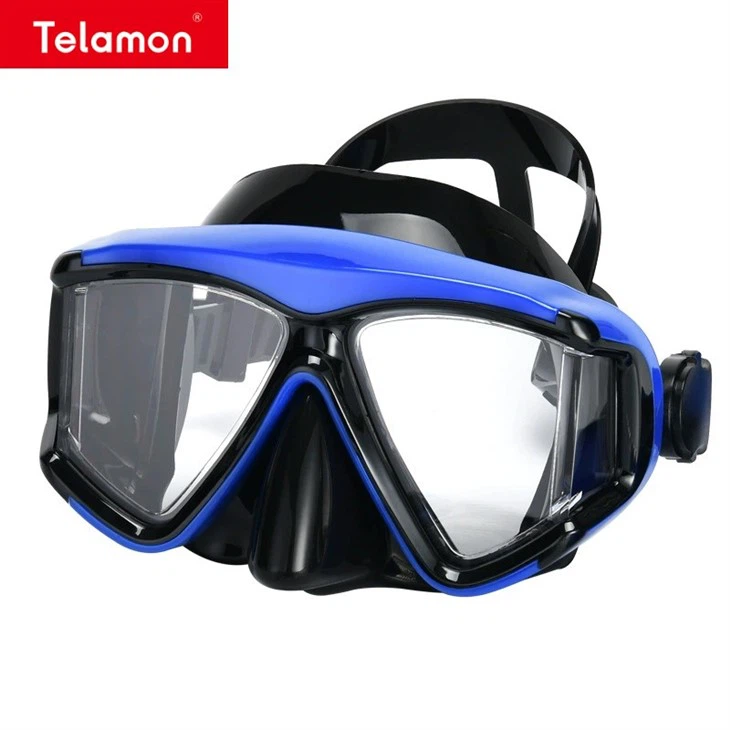

A diving mask is perhaps the most important piece of equipment a diver uses and owns, as it allows you to admire the breathtaking beauty of the underwater world. Diving masks come in a variety of shapes, sizes, and colors to suit different diving activities, individual face shapes, and, of course, personal preferences. A good mask can make diving a pleasure, while a poor one may cause salty tears and even pose a danger to the diver. Whether you are a scuba diver, free diver, or recreational snorkeler, we will explore the factors to consider when selecting, purchasing, and preparing a mask. Choosing the right mask is one of the first things you should do when embarking on your diving journey. This is because using an ill-fitting mask can be extremely frustrating. In a large dive shop, there are hundreds of masks to choose from, which can be overwhelming, but we'll help you narrow down your options to ensure you get a high-quality mask.
Lenses
Most masks today come with tempered glass lenses, which are crucial for long-term durability. Of course, in extremely rare cases, if the lens breaks while wearing the mask, it can also protect the diver's eyes. Typically, the lenses will be labeled or marked with a Kitemark to indicate whether the glass has been tempered. Some free diving masks have plastic lenses, which are ideal for deep free diving but not suitable for recreational diving near coral reefs, as frequent use can easily scratch the lenses.
Lenses are usually transparent, but tinted lenses and mirrored lenses are also available (hunting divers often use this type of lens, as they claim it helps hide their eyes from targets). These lenses look very stylish in photos, but they reduce the amount of light entering the mask, so transparent lenses are generally the better choice. Many mask brands now also offer prescription lenses, as you cannot wear glasses underwater!


Hot Tags: sea dive mask, China sea dive mask manufacturers, suppliers, factory, diving mask