


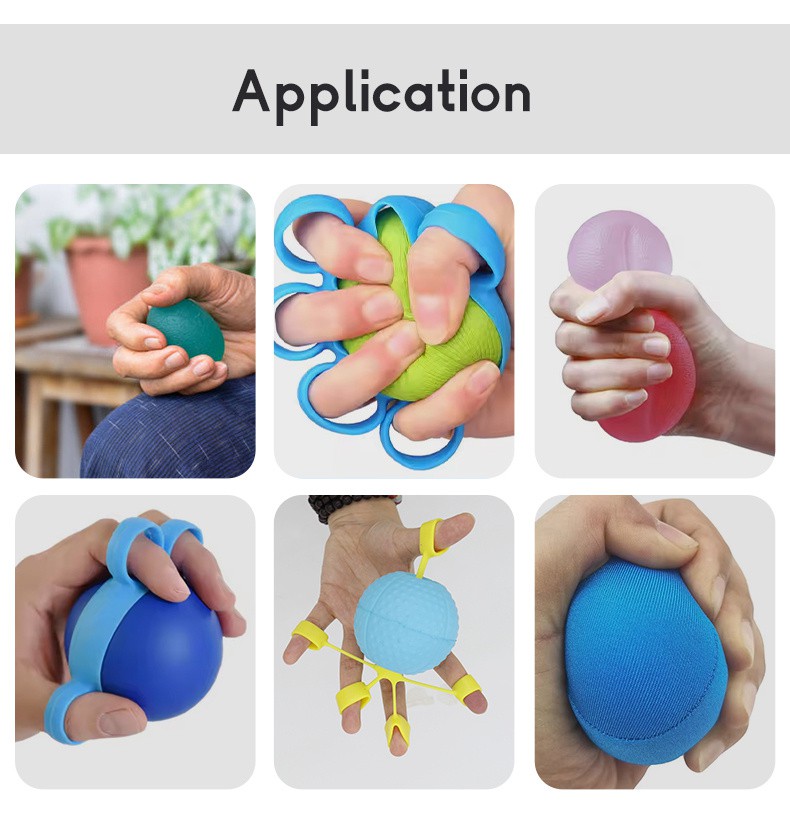
Double the protection against blood clots: Applying force with both hands simultaneously engages over 50% more upper limb muscle groups than using one hand alone, resulting in a more significant increase in blood flow velocity and a further reduction in the risk of blood clots. Bilateral muscle strength maintenance: Exercising with both arms prevents muscle atrophy in the arm on the catheter side whilst maintaining strength in the healthy arm, thereby avoiding an imbalance where one arm is stronger than the other. More thorough reduction of swelling: Synchronised contraction and relaxation of both hands promote bilateral lymphatic and venous return, alleviating the sensation of swelling in the arm on the catheterisation side. Developing good habits: Symmetrical movements and a consistent rhythm with both hands make it easier to form conditioned reflexes than with one hand, making it effortless to maintain the exercise routine.
In which circumstances is the grip ball exercise not suitable?
Please follow your nurse's guidance and temporarily suspend or adjust your exercise routine if any of the following apply:
1. Upper limb trauma, surgery or mobility impairment, resulting in an inability to grip normally;
2. Severe hypertension or swollen axillary lymph nodes on the catheterised side;
3. Transjugular venous catheterisation, unstable vital signs or critical condition;
4. Cognitive or communication impairments that prevent cooperation with the exercises.
Daily Activities and Lifestyle Restrictions
1. Do not lift heavy objects, pull on, or swing the arm on the side where the catheter is inserted.
2. Avoid wide-ranging movements: raising arms high, mopping the floor, hanging out washing, or twisting the arm forcefully.
3. When dressing, put clothing on the affected side first and remove it from the affected side last; ensure cuffs are loose and do not constrict the arm.
4. Opt for showers rather than baths; bathing in a tub or swimming is strictly prohibited. Keep the dressing dry.
Tips for Daily Care
1. When resting, elevate the arm on the catheter side slightly to facilitate blood return and reduce the risk of stasis.
2. Avoid keeping your head down for prolonged periods or resting your head on the arm on the catheter side.
3. Persist with regular hand exercises, as this is the most cost-effective and efficient way to prevent blood clots.
Friendly reminder: Consistency is key when it comes to exercise; start by using one hand initially, then use both hands throughout the process for prevention; avoid carrying or lifting heavy objects, and ensure the area remains dry and is not pulled; attend maintenance appointments on time and report any abnormalities promptly. Please incorporate these small habits into your daily routine; combined with adequate fluid intake, they will help to better protect your vascular health.




Hot Tags: exercising hand ball, China exercising hand ball manufacturers, suppliers, factory, grip ball, Hand Grip Ball


