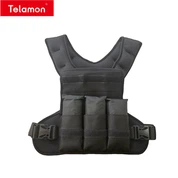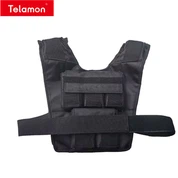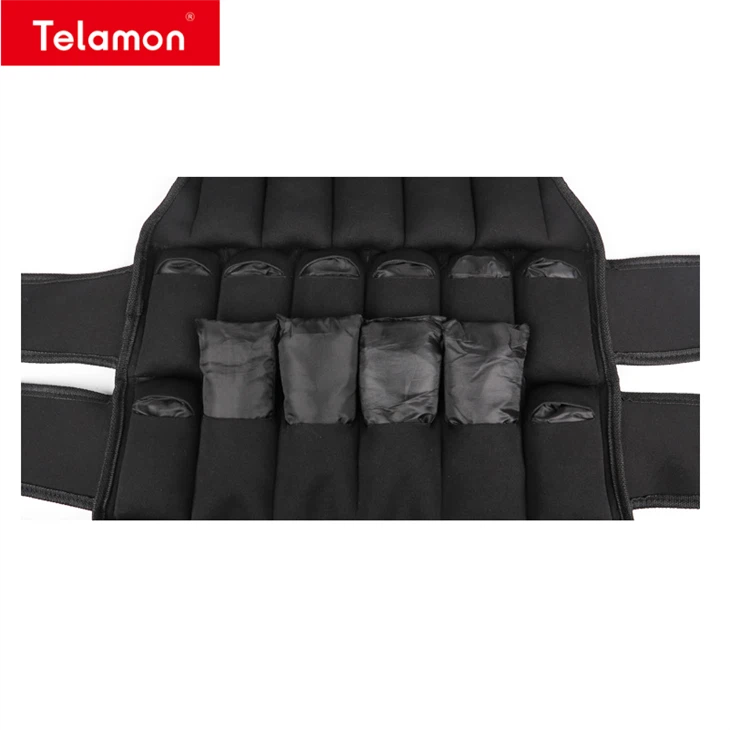
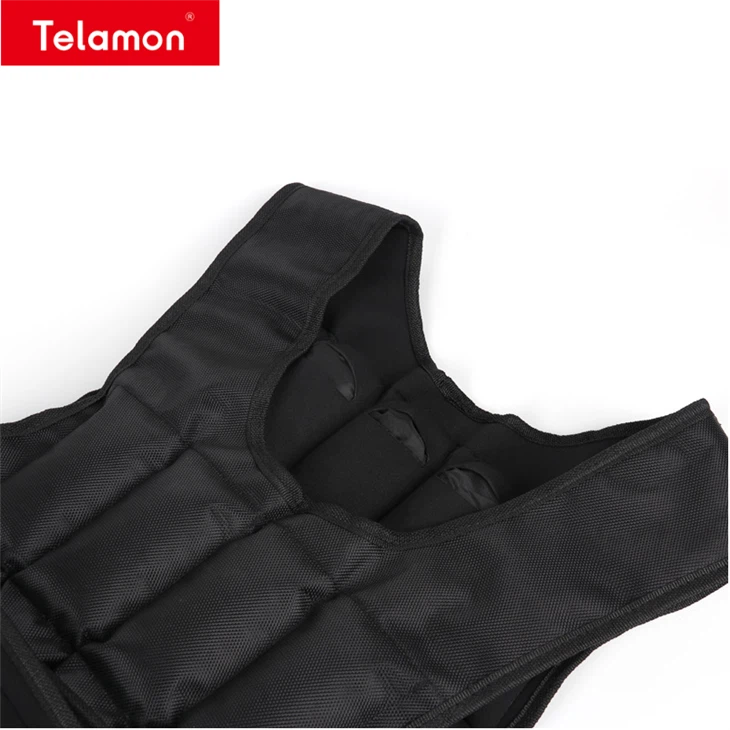

Additional weight results in smaller losses than those caused by the vest. This is because placing weight closer to the center of gravity is relatively effective, while moving weight further outward reduces efficiency. A study found that tying a certain weight below the knees consumes 9% more energy while running compared to tying it at the waist, and tying it at the ankles consumes 21% more energy. This is another key advantage of the vest: by distributing the weight, all of it can be kept closer to the center of gravity.
How to calculate the calories you burn while hiking
Rooney's new paper includes a convenient calculator, available for free here (scroll to the bottom and click "Supplemental Digital Content" to download the Excel spreadsheet), which allows you to input parameters: weight, walking speed, slope, terrain, and the weight you are carrying. It will calculate how many calories you burn per hour. For Rooney's superiors, the benefit is helping them weigh the pros and cons of the equipment carried during missions. For backpackers, it's a way to estimate how much food to carry. For hikers, it's a method to compare or match vest and backpack workouts. For trail runners-well, these equations were developed for walking, not running, but I can't help but think the results roughly estimate the extra effort required to carry supplies in a vest. Playing with the numbers in the spreadsheet, you'll understand why vests are gaining popularity in the extreme sports world as an alternative to traditional backpacks: distributing the load front and back is indeed easier.


Hot Tags: weighted workout vest, China weighted workout vest manufacturers, suppliers, factory, weight vest