
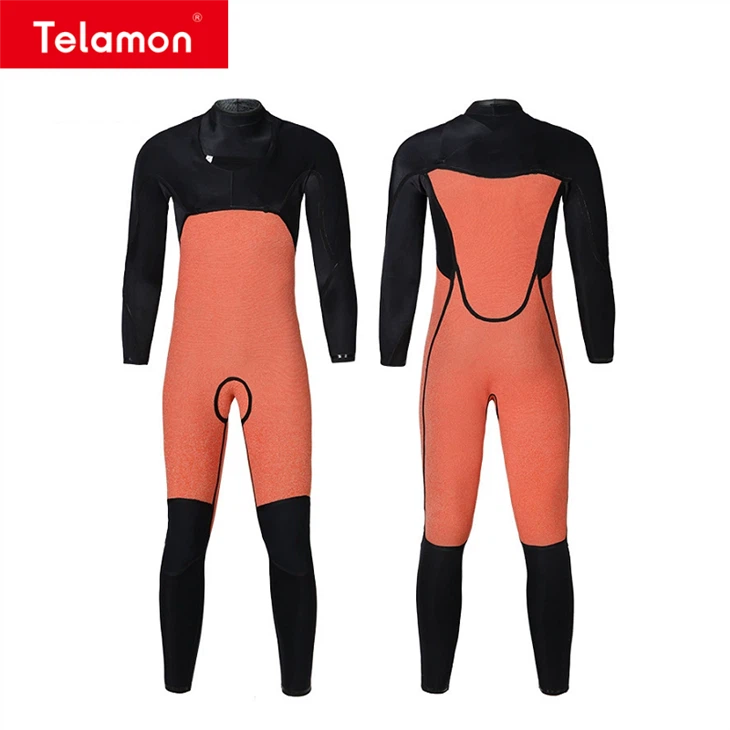

Wetsuit Thickness
When buying a wetsuit, thickness is an important consideration. It largely depends on personal sensitivity to cold. As a general guideline:
For water temperatures between 26°C and 21°C: use a 3mm wetsuit
For water temperatures between 21°C and 15°C: use a 5mm wetsuit
For water temperatures between 15°C and 10°C: use a 7mm wetsuit
When choosing a wetsuit, the two most important factors are the water temperature and your personal comfort in the water. Thinner suits provide more flexibility, while thicker suits offer more warmth. You should also consider how the thickness of the wetsuit affects the amount of weight you need to carry.
Diving Suit Materials
Neoprene
The most common material used in diving suits, neoprene offers excellent insulation, waterproofing, and durability. Thickness can vary depending on the water temperature. Thicker neoprene provides better insulation for cold waters, while thinner neoprene is lighter and more flexible for warm-water diving.
Nylon and Lycra
These materials are often used for the outer layers of diving suits. Lycra fabric features a higher thread count and tighter weave, making it more durable and elastic, and less prone to deformation. Nylon is more affordable but generally offers lower durability and elasticity. Additionally, Lycra comes in a wider variety of colors, which appeals to divers looking for stylish or individualized suits.
Diving Suit Details
Proper Fit
A well-fitting wetsuit is crucial for maintaining warmth and mobility. It should hug the body without being overly tight, which could restrict breathing or blood circulation. Pay special attention to the wrists, ankles, and neck - these areas should be snug enough to prevent water entry but not tight enough to cause discomfort. If off-the-rack suits don't fit well, custom-made options are available from specialized manufacturers.
Front-Zip vs. Back-Zip
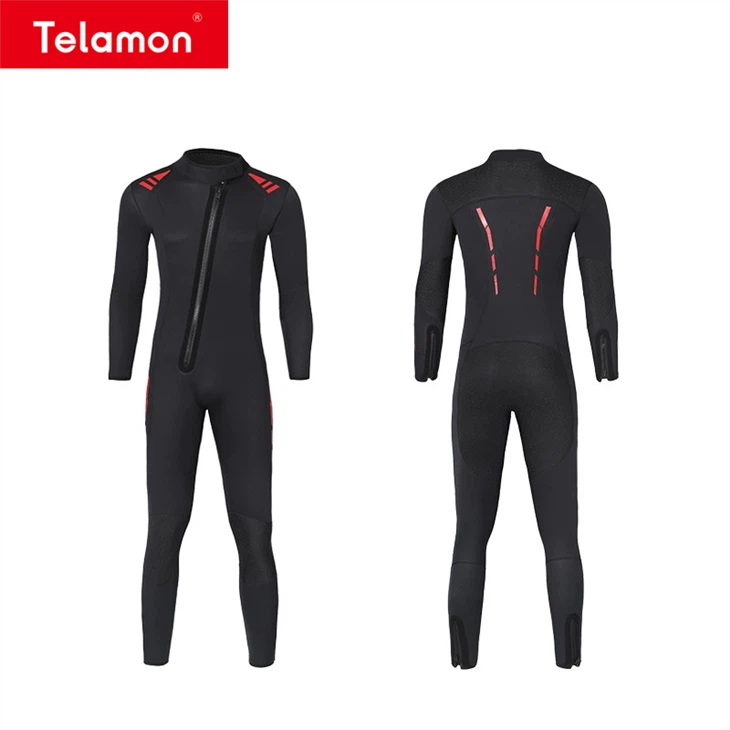
Front-zip suits are easier to put on and take off by yourself, but they may offer less waterproofing around the collar. If the sealing design is inadequate, water may seep in. Back-zip suits typically have better waterproofing and durability, especially at the zipper area, but usually require assistance to don or doff.


Hot Tags: freediving wetsuit, China freediving wetsuit manufacturers, suppliers, factory, wetsuit, Wetsuits Men